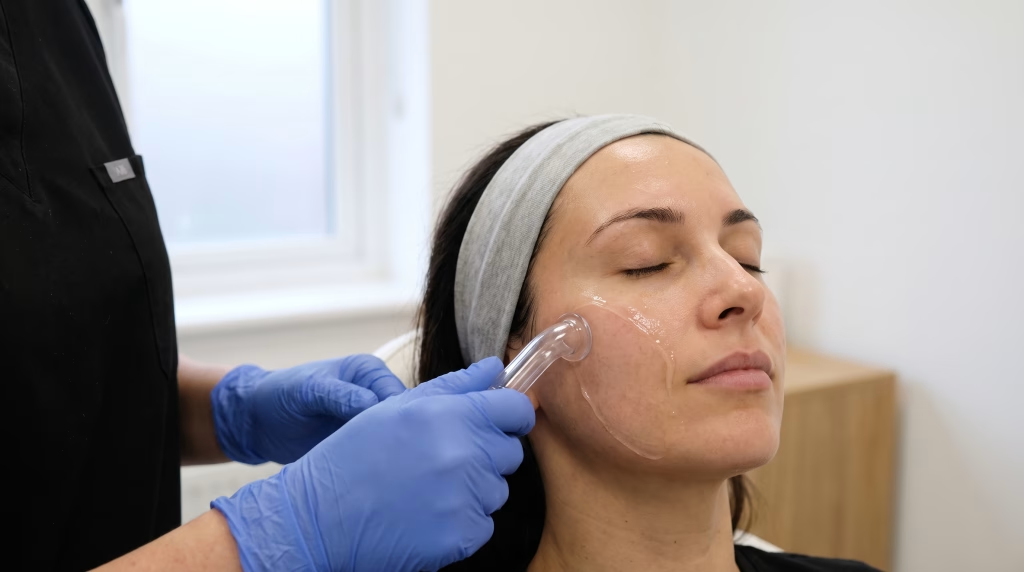
A single HydraFacial's visible glow typically lasts around 5 to 7 days, while the wider hydration, texture and pore-clarity benefit usually runs for about 2 to 4 weeks. That's why monthly maintenance is the practical plan if you want an ongoing effect, rather than treating one appointment as a permanent fix.
You're probably asking because there's an event coming up. Perhaps you're in Southsea, Portsmouth, looking at wedding photos, a birthday dinner or an important work event, and wondering whether one treatment will still show when the day arrives. The honest answer depends on whether you want a short-term event glow or a longer plan for managing dehydration, dullness and congestion.
I'm Natasha, the sole practitioner at House of Glam HQ in Southsea, Portsmouth. I've worked clinically in aesthetics for more than seven years, and this is the answer I give when someone asks, “How long does a HydraFacial last?”
One thing to say plainly first: I don't offer HydraFacial at House of Glam HQ. It came off my menu, and the facials I do carry out are listed with their prices on the facials page. I still get asked this most weeks, usually by someone with an event coming up, so here is the honest answer — and at the end, what I would book instead.
The Short Answer
Someone rings the day before her wedding wanting to know whether one HydraFacial will carry her skin through the photographs. The answer depends on the result she wants, the condition of her skin, and how much time there is before the event.
For a one-off appointment, plan around the appearance you want on the day. The strongest visible glow usually sits around 5 to 7 days, while improved hydration, texture and pore clarity may continue for approximately 2 to 4 weeks. Those windows vary. Skin that is very dehydrated, congested or irritated may respond differently from skin that is already well maintained.
A HydraFacial can suit an event because it refreshes the surface without the recovery associated with stronger resurfacing treatments. Timing still matters. Book it 5 to 7 days before the event rather than the day before, so the skin has time to settle and the hydrated, reflective finish can develop.
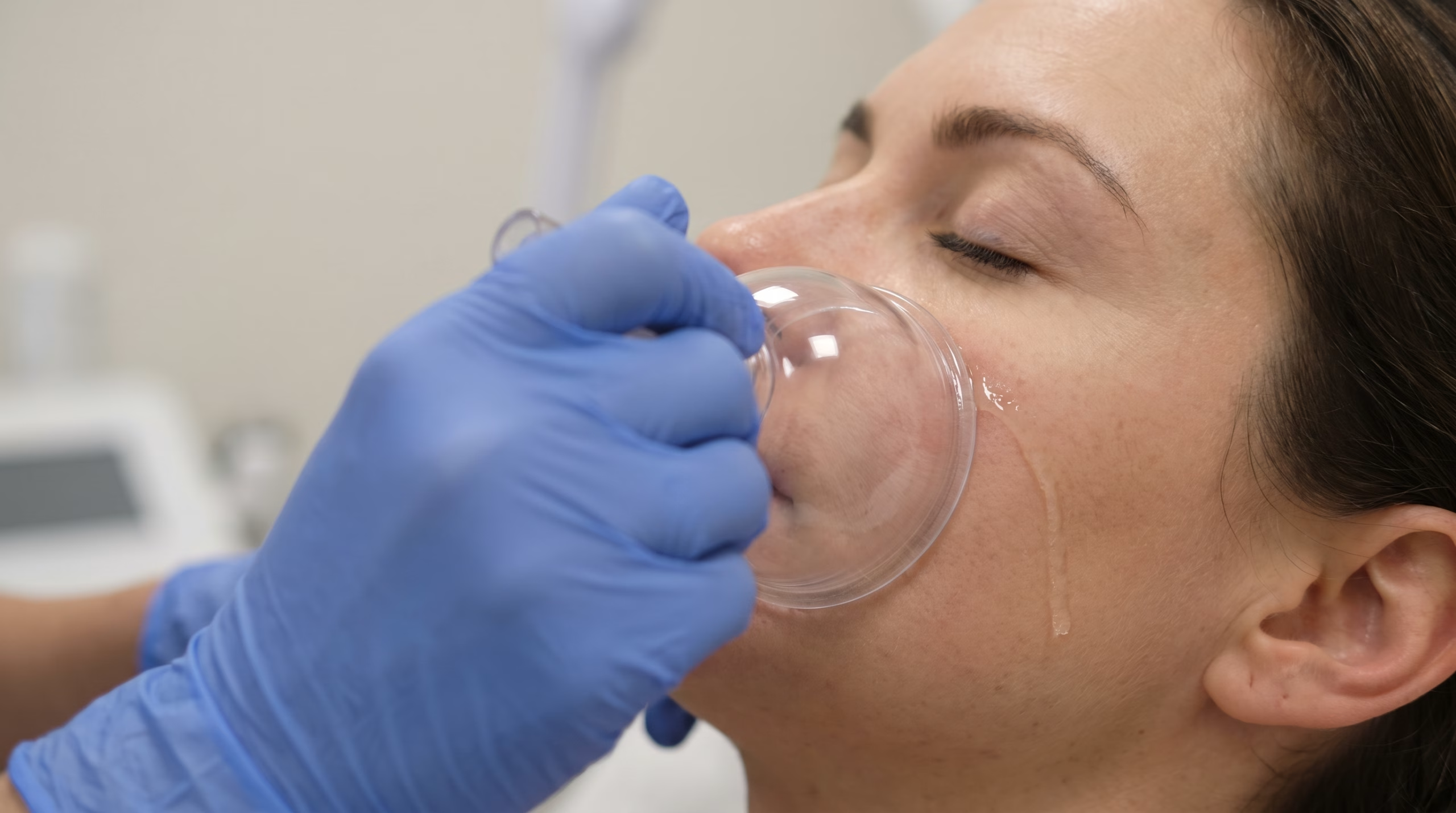
The treatment itself is usually a manageable appointment. Standard sessions commonly take 30 to 60 minutes, depending on the protocol, boosters and additional steps selected. A good practitioner matches the treatment to the time you have and the concern being addressed, rather than adding steps to make the appointment longer. That is how I plan the facials I do offer, which run from 30 to 90 minutes.
Event glow or ongoing skin management
For a Saturday event, the priority is surface radiance, smoother-looking skin and a hydrated finish. That effect is temporary, and the most noticeable brightness fades first.
Ongoing skin management has a different purpose. Treatment every 4 to 6 weeks can help maintain a more consistent level of hydration and smoothness, but it does not replace home care or correct every skin concern. A single session cannot provide permanent skin quality.
Practical rule: Book for the result window you actually want. Choose the appointment date around the event if photographs are the priority, or follow a repeatable maintenance plan when the aim is steadier skin quality.
What a HydraFacial Does to Your Skin
A HydraFacial combines cleansing, exfoliation, extraction and serum infusion in one device-led facial. Its main job is to improve the skin's surface and hydration while keeping recovery lighter than stronger resurfacing procedures.
The result depends on what the skin needs that day. A client with surface buildup may notice a smoother, clearer finish, while someone with dehydration may see more immediate plumpness. Congestion can look reduced after extraction, but one appointment will not permanently change pore size, resolve persistent acne or correct every underlying concern.
The exfoliating solution lifts dead cells and debris from the surface. A mild acid peel, commonly using glycolic and salicylic acids, helps loosen buildup and support pore clearing without the visible peeling associated with a more intensive skin peel treatment. Vortex extraction then uses controlled suction to remove sebum and debris, while the device delivers hydrating and antioxidant serums.

Serum choice matters. A dry, tired complexion generally wants hyaluronic-acid hydration with antioxidant support; oilier or more congested skin does better with a lighter approach that focuses on clearing rather than adding more product. That is the same judgement I make on my own facials. The suction and controlled delivery contribute to the finish, but the treatment is not magic, and the serums are not the whole explanation.
After treatment, skin can look brighter, smoother and more hydrated, with pores appearing clearer and the surface reflecting light more evenly. That familiar glow is a visible finish, not proof that every skin concern has been corrected.
Mild redness can settle within 24 hours, and makeup is often better applied the following day rather than immediately. The treatment suits clients wanting a refresh without significant disruption. It is a weaker choice when the main concern needs deeper intervention, medical diagnosis or prescription-led care.
The Two Result Windows Most Articles Confuse
A Wednesday appointment can look different by the weekend. The pattern people describe is a glow that is strongest on Thursday evening and softens noticeably by Friday afternoon. The skin still feels smoother afterwards, but the high-shine finish has already become less obvious.
The phrase “HydraFacial results” covers two separate windows. The first is the visible event glow. The second is the longer change in hydration, texture and congestion. The first can fade while the second remains.
| Result window | What you may notice | Usual pattern | Most useful for |
|---|---|---|---|
| Visible glow | Plumper, more reflective skin and smoother makeup application | Appears straight away, is strongest during the first few days, then usually softens around 5 to 7 days | A wedding, photoshoot or social event |
| Wider skin-quality benefit | Hydration, smoother texture and improved pore appearance | Builds after the appointment and can taper across 2 to 4 weeks | Ongoing skin maintenance |
UK-facing guidance also describes the immediate radiance as temporary, with broader results sometimes lasting up to around 4 weeks when proper homecare is followed.
The day-by-day pattern is usually more useful than a single promise about duration.
Day 1 may include mild flushing or redness, particularly if the skin was sensitive or congested beforehand. The skin can feel clean and fresh, but I would not assess the final appearance immediately.
Around Day 3, the hydrated, smoother finish is often most noticeable. A first appointment should not be scheduled immediately before an important event, because individual reactions are difficult to predict.
Around Day 7, the high-shine finish has commonly softened. Hydration, texture and pore clarity may still look or feel better, even though the immediate cosmetic effect is less visible.
HydraFacial can suit an event when the goal is a short-term refresh. Persistent scarring, deeper texture and complex pigmentation need a different assessment. In those cases, a microneedling treatment Portsmouth may be considered, although it has a different treatment plan and recovery profile.
Why Two Clients Get Different Longevity From the Same Appointment
Two clients can have the same protocol, products and appointment length, yet see different results afterwards. A HydraFacial works on the skin's starting condition, so dehydration, congestion, daily habits and recent exposure all affect how long the finish remains visible.
Two people can have an identical appointment and get different results. One looks fresher on day three; the other's glow has already softened by day two. The treatment was the same. Their home routines were not.
A dehydrated client may look noticeably fresher immediately because the skin accepts the added hydration quickly. That improvement can fade sooner if the barrier remains dry or strong active products are restarted too quickly. A client using a gentle cleanser and daily SPF may keep the visible finish for around a week because the freshly treated skin faces less avoidable irritation.
Congested skin follows a different pattern. The appointment can remove surface oil and debris, but oil production and pore buildup continue afterwards. A client with limited congestion may notice clearer-looking pores for longer, while someone with recurring blockage may see that clarity taper sooner.
Client profile versus HydraFacial result length
| Client profile | Typical glow length | Typical texture benefit | Why |
|---|---|---|---|
| Dehydrated skin | Can fade sooner | May remain improved for weeks | Hydration is quickly welcomed but needs consistent home support |
| Congested skin | Often shorter visually | Pore clarity may taper as buildup returns | Sebum and debris continue to accumulate |
| Mature skin | May persist a little longer | Texture changes taper gradually | Slower cell turnover can alter the pace of surface change |
| Gentle cleanser and daily SPF | Often around the expected window | More consistent | The skin is protected from avoidable irritation |
| Inconsistent retinoid use | Can fade quickly | Results may be less predictable | Active products can irritate the recovering surface |
Hormonal timing can change oiliness and sensitivity. Portsmouth weather adds another variable: cold wind, indoor heating, damp conditions and seasonal shifts can affect how dehydrated the skin feels. Recent sun exposure or travel may also leave the barrier more stressed before treatment.
The duration is not a fixed product clock. It reflects the starting canvas and what happens after the appointment. For a client whose main concern is ongoing dehydration rather than a short event glow, I may discuss a Profhilo treatment as a separate option. Skin boosters address a different set of aims and are not a replacement for HydraFacial.
Aftercare That Extends Your Results
The appointment is only part of the result. Good aftercare reduces irritation and helps the surface stay comfortable, smooth and bright. It cannot turn a temporary treatment into a permanent change, so the aim is to protect the skin while it settles.
The first day
Avoid scrubs, exfoliating acids and other exfoliating products for at least 24 hours, unless the protocol or your skin's response calls for a longer pause. Re-exfoliating too soon can irritate the recovering surface and shorten the comfortable, smooth-looking phase.
Use a gentle cleanser and a straightforward moisturiser. A hyaluronic serum can support hydration, while a ceramide-rich moisturiser can help reduce water loss during the first week. Extra water is sensible for general health, but I would not present it as a specific way to extend HydraFacial results.
Portsmouth's sea air and frequent wind can dry the surface faster than inland climates. I advise clients here to apply moisturiser twice daily during the first week rather than once, especially if the skin feels tight after cleansing.
Heat, exercise and sunlight
UK aftercare guidance commonly advises avoiding saunas, steam rooms and high-impact exercise for 24 hours, while some clinics recommend avoiding strenuous exercise for around 48 hours. Heat and sweat can increase flushing and irritation, particularly when the skin is already reactive.
Avoid direct sun exposure for at least 48 to 72 hours and use SPF 30 or higher every day. That advice still applies during Portsmouth autumn and winter, not only in brighter months. UV exposure can make the even, bright appearance fade sooner and can aggravate sensitivity.
Restarting active skincare
If you use retinoids or strong exfoliating acids, pause them according to the treatment protocol and your skin's response. The restart window can range from roughly 48 hours to 2 weeks, depending on the treatment and products involved. I prefer to assess the skin before setting a restart date rather than applying the same rule to every client.
The same principle applies after other exfoliating procedures. These chemical peel aftercare tips cover how to avoid premature irritation while the surface recovers. Face yoga, a particular bedding fabric and a long list of new products will not compensate for skipping SPF or restarting harsh actives too soon.
How Often to Book and When a HydraFacial Is the Wrong Call
People ask whether they can fit two HydraFacials into the same month before a hen do or a wedding. Spacing them less than four weeks apart rarely adds meaningful benefit and may irritate the skin barrier. The better plan depends on whether you want a single event finish or ongoing help with dehydration and congestion.
For an event, one appointment can be timed around the occasion. For ongoing concerns, I usually assess the response before recommending another treatment. A short course may suit some clients, while others do better with less frequent maintenance. Bookings should follow the skin's condition, not an automatic calendar.
When to delay, or choose something else
Any device-led facial should be postponed during an active eczema or rosacea flare, with an open cold sore, or after recent isotretinoin use within the relevant recovery period. Sunburn, broken skin and active inflammation also need attention before a facial procedure.
If you use retinoids or strong exfoliating acids, pause them for roughly 48 hours to 2 weeks, depending on the treatment and products involved. I'd rather adjust the restart timing after seeing your skin than give everyone the same date.
HydraFacial may not be the right choice for melasma, significant scarring or deeper texture concerns. It can improve surface appearance, but it will not remove established scarring or cure pigmentation. Those concerns may need medical assessment, prescription treatment or another procedure, such as microneedling.
My honest test: If your skin looks calmer, clearer and more comfortable between appointments, the schedule may be useful. If it is repeatedly irritated, overly dry or no better after sensible maintenance, booking more often is not automatically the answer.
Watch how quickly the glow fades, whether congestion returns and whether your skin stays comfortable. That pattern gives a more useful basis for planning than assuming every appointment will produce the same result.
Straightforward Answers to the Questions I Hear Most
Is one HydraFacial enough to see a difference?
Usually, yes, for a fresher surface appearance. The glow commonly lasts around 5 to 7 days, while hydration and texture improvements may continue for 2 to 4 weeks. One appointment cannot correct deep scarring, persistent melasma or every form of acne. Its value depends on whether your concern is mainly surface-level.
How soon should I book before a wedding or photoshoot?
Book around 5 to 7 days before the event. Your skin has time to settle, and you are not relying on the immediate finish. If you have never had the treatment, avoid making the event your first appointment.
Do results build over a course?
They can become more consistent when repeat treatments are matched with suitable homecare. I look at how quickly congestion returns, not just whether the first glow looked good. Maintenance is commonly planned every 4 to 6 weeks, then adjusted to your skin's response.
Will HydraFacial help acne?
It can reduce surface congestion, oil and blocked pores when those are the main problems. Tender, inflamed or worsening acne needs a different assessment, because repeated exfoliation is not a substitute for treating the cause.
Does it treat pigmentation?
It may make skin look brighter and more even temporarily. It is common for melasma to look improved after a HydraFacial and then return within a few weeks, because the underlying pigment was never addressed. Sun protection remains essential, and persistent pigmentation should be assessed properly before planning treatment.
Is it safe for sensitive or rosacea-prone skin?
It may suit stable skin, but nobody should treat an active flare. Suction strength, products and treatment intensity need to be chosen during assessment. Tell whoever is treating you about previous reactions, because sensitivity can show up as prolonged redness rather than immediate discomfort.
What I Offer Instead, in Southsea
I don't have a HydraFacial machine, so if that particular brand is what you want, book it somewhere that has one. What I do offer is seven facials, all carried out by me, all priced on the site before you book:
- Dermaplaning Express, £45 — 30 minutes, and the closest thing here to a pre-event refresh
- Rejuvenating Facial, £50 and Steam and Extraction Facial, £50 — 35 minutes each
- Dermaplaning Deluxe, £65 — 40 minutes
- Ultimate Glow Facial, £65 — 45 minutes
- Signature Skin Booster Facial, £110 — 60 minutes, dermaplaning with skin-booster microneedling
- Halo Ritual, £115 — 90 minutes
The timing rule is the same whatever you book: five to seven days before the event, not the day before. If the real problem is congestion and texture over months rather than days, microneedling from £80 or a chemical peel from £50 will do more than repeat surface facials. If it is dehydration, skin boosters are a different conversation again.
Book a Facial in Portsmouth
Facials start at £45 and every price is published on the facials page before you book. Tell me what the occasion is and how much time you have, and I will say honestly whether a facial is the right call or whether you want something else. Klarna is available on treatments over three monthly payments.
- Book on Fresha: Book with Natasha on Fresha
- WhatsApp: Message Natasha on WhatsApp
- Call: 07831 846273
- Email: houseofglamhq@gmail.com

