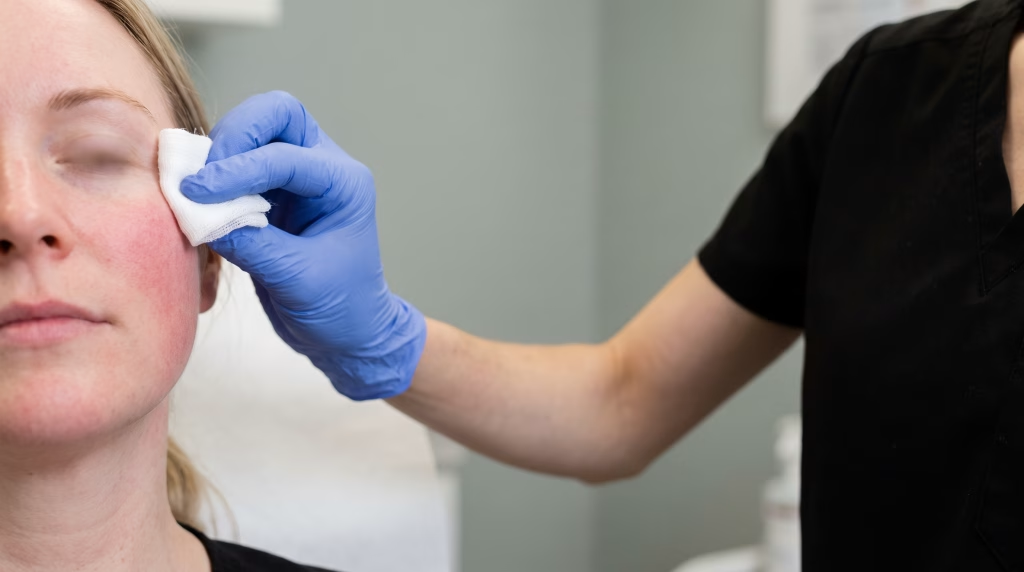
So, I’ve recently had a chemical peel and I wanted to share what I learned about looking after my skin afterwards. It’s not complicated, but there are definitely a few things you need to do to get the best results and avoid any issues. This guide is all about what to do after a chemical peel, so your skin can heal up nicely and look its absolute best. I found it really helpful to know the steps, especially in the first few days.
Key Takeaways
- In the first 24-72 hours, focus on being really gentle with your skin. Cleanse softly, steer clear of any strong products, and make sure to keep it hydrated.
- Protecting your skin from the sun is a big deal. Always wear sunscreen and try to stay out of direct sunlight as much as possible.
- When you reintroduce your usual skincare, do it slowly. Prioritise products that help repair your skin’s natural barrier.
- Expect some redness or flaking; these are common. Knowing how to manage these sensations will help your skin recover smoothly.
- Lifestyle choices matter too. Drink plenty of water and avoid intense workouts for a bit to let your skin heal properly.
Immediate post-peel care: what to do in the first 24-72 hours

Right after your peel, your skin is going to be a bit sensitive, and that’s totally normal. Think of it like a mild sunburn. The first 24 to 72 hours are all about being gentle and letting your skin start its healing process without any added stress.
Gentle cleansing is key
Forget your usual cleanser for a bit. I want you to switch to something incredibly mild. We’re talking about a pH-balanced, soap-free cleanser. The goal here is to remove any surface impurities without stripping your skin or causing irritation. Gently splash your face with lukewarm water and use your fingertips – no washcloths or sponges for now. Pat your skin dry with a clean, soft towel; don’t rub. This might sound basic, but it’s so important for letting your skin recover.
Avoid active ingredients
This is a big one. For the first few days, put away anything that has ‘active’ ingredients. That means no retinoids, no vitamin C serums, no exfoliating acids (like AHAs or BHAs), and definitely no harsh scrubs. These can all be too aggressive for your skin right now and could lead to redness, stinging, or even damage. Stick to the basics: a gentle cleanser and a good moisturiser. If you’re unsure about a product, it’s always best to leave it out until I give you the green light.
Hydration is paramount
Your skin needs moisture to heal. After cleansing, apply a generous amount of a bland, fragrance-free moisturiser. Look for ingredients like ceramides, hyaluronic acid, or glycerin, which help to support your skin barrier and keep it hydrated. Applying a moisturiser within a few minutes of cleansing can help lock in that much-needed moisture. You might find yourself needing to moisturise more often than usual, especially in the first 24-72 hours, and that’s perfectly fine. Keeping the skin hydrated will help minimise that tight, dry feeling and support the healing process. You can also use a gentle hydrating mist if your skin feels particularly parched throughout the day. Remember, avoiding strenuous activity initially is also part of this recovery phase.
Protecting your newly treated skin
Right after a chemical peel, your skin is basically like a newborn baby – super sensitive and needing extra care. It’s gone through a bit of a resurfacing process, and the new skin underneath is delicate. So, protecting it is honestly the most important thing you can do to get the results you want and avoid any problems.
Sunscreen is non-negotiable
Seriously, I can’t stress this enough. You absolutely must wear sunscreen every single day, even if it’s cloudy or you’re just popping out for a minute. Your skin is much more vulnerable to sun damage after a peel, and that can lead to new pigmentation issues or make existing ones worse. I always recommend a broad-spectrum SPF of 30 or higher, ideally a mineral-based one with zinc oxide and titanium dioxide. These are generally gentler on sensitive skin. Think of it as your daily shield. You can find some great options that don’t feel heavy or greasy, so there’s really no excuse not to wear it. It’s a small step that makes a massive difference in protecting your investment in your skin.
Avoid direct sun exposure
Beyond just sunscreen, try to actively avoid direct sunlight for at least a week, or even longer depending on the peel’s strength. If you have to be outside for an extended period, wear a wide-brimmed hat and seek shade whenever possible. This isn’t just about preventing sunburn; it’s about preventing hyperpigmentation and ensuring the healing process goes smoothly. I know it can be a pain, especially if you love being outdoors, but think of it as a temporary pause for the sake of your skin’s long-term health and appearance. Planning outdoor activities? Try to schedule them for times when the sun isn’t at its strongest, or consider rescheduling if possible.
Resist the urge to pick or peel
I know, I know, it’s tempting. You might see some flaky bits or feel a bit of texture, and your fingers just want to get involved. Please, please don’t. Picking or peeling the skin yourself can cause scarring, introduce infection, and disrupt the healing process. This can lead to uneven results or even damage the new skin. Let the skin shed naturally. If you’re experiencing dryness or tightness, focus on gentle hydration and soothing products as we discussed earlier. Trust the process; your skin knows what it’s doing, and picking will only set it back. It’s all about patience and letting your skin do its thing.
Your skincare routine post-peel
So, you’ve had your peel and you’re wondering what to do next with your skincare. It’s a really important phase, honestly. What you do now can make a big difference to how well your skin heals and how good the final results look. Think of it like this: the peel has done the heavy lifting, but now we need to support the skin as it rebuilds.
Introduce gentle products slowly
After a peel, your skin is basically like a freshly painted wall – it needs time to dry and set properly. Throwing your usual strong products at it too soon is like walking on that wet paint; it’s just going to cause problems. I always advise my clients to take it easy for the first few days, or even up to a week, depending on the peel.
- Cleansing: Stick to a really mild, fragrance-free cleanser. Lukewarm water is your friend here. No harsh scrubbing, just gentle motions to remove any surface grime. We want to clean the skin without irritating it further. A good option is something like a gentle cream or milk cleanser.
- Moisturising: This is where you want to be generous. Your skin will likely feel tight and dry, so a good, bland moisturiser is key. Look for ingredients like ceramides, hyaluronic acid, or glycerin. These help to replenish moisture and support your skin’s natural barrier. Avoid anything with active ingredients like retinoids, AHAs, or BHAs at this stage. We’re focusing on soothing and hydrating.
- Sunscreen: I know we’ll cover this more, but it’s worth mentioning here too. Your skin is more vulnerable to the sun after a peel. A broad-spectrum SPF 30 or higher is non-negotiable, even if you’re just popping out for a few minutes. Reapply it throughout the day.
Focus on barrier repair
Your skin’s barrier is its first line of defence. A chemical peel, by its nature, disrupts this barrier to some extent to allow for exfoliation and renewal. Our job now is to help it get back to full strength as quickly and smoothly as possible. A compromised barrier can lead to increased sensitivity, redness, and even breakouts, which is the opposite of what we want.
- Hydration is key: As I mentioned, a good moisturiser is vital. Hyaluronic acid is a fantastic ingredient to look for because it draws moisture into the skin. Applying it to damp skin can really help lock in that hydration. You can use it morning and night. Using hyaluronic acid can really boost your skin’s moisture levels.
- Soothing ingredients: Look for products containing ingredients known for their calming properties. Things like centella asiatica (cica), niacinamide (in low concentrations initially), or panthenol (Vitamin B5) can help reduce redness and irritation.
- Avoid irritants: This means steering clear of fragranced products, alcohol-based toners, and harsh physical exfoliants. Basically, if it stings, tingles intensely, or makes your skin feel tight, put it away for a while.
When to reintroduce your usual actives
This is a question I get asked a lot. When can you get back to your beloved serums and treatments? The answer is: it depends on the peel you’ve had and how your skin is feeling. For lighter peels, you might be able to reintroduce gentle actives within a few days. For deeper peels, it could be a week or even two. If you are still deciding which peel to book, every price is listed in what a chemical peel costs.
Here’s a general guide:
- Listen to your skin: This is the most important rule. If your skin still feels sensitive, red, or irritated, hold off. Pushing it too soon will only set you back.
- Start low and slow: When you do reintroduce actives, start with a lower concentration and use them less frequently. For example, if you use a strong retinol every night, try a weaker one a couple of times a week to start.
- Patch test: If you’re unsure about a product, always do a patch test on a small, inconspicuous area of your skin first. This helps you see how your skin reacts before applying it all over.
Generally, I’d say wait until any visible peeling has completely stopped and your skin feels comfortable and looks settled before you start bringing back your regular treatments. It’s always better to be a little patient and get the best possible outcome.
Managing common post-peel sensations

It’s completely normal to experience a few things after your peel. Honestly, it’s a sign that the treatment is doing its job. But knowing what to expect and how to handle it can make all the difference.
Addressing redness and sensitivity
Right after a peel, your skin might look a bit flushed, almost like you’ve had a bit too much sun. This redness is usually temporary and should start to calm down within a few hours to a day. It’s your skin’s natural inflammatory response, which is part of the healing process. You might also feel a bit sensitive to the touch, and that’s perfectly fine. Just be extra gentle with your skin during this time. Avoid anything harsh, and stick to the soothing, hydrating products I’ve recommended. If the redness seems extreme or doesn’t fade after a couple of days, do get in touch.
Dealing with mild flaking
Depending on the type of peel you’ve had, you might notice some light peeling or flaking a few days later. This is the old skin shedding to make way for the fresh, new skin underneath. It’s not usually dramatic, more like a subtle texture change. The absolute worst thing you can do here is pick at it. Resist the urge! Picking can lead to scarring or infection, and it will definitely mess with your results. Keep your skin well-moisturised, and let the flaking happen naturally. If you’re having a peel before an event, remember that deeper peels can cause more noticeable peeling for about 3-5 days, so plan accordingly. You can find a general idea of the recovery timeline here.
When to seek professional advice
While some post-peel sensations are expected, there are times when you should reach out. If you experience any of the following, please don’t hesitate to contact me:
- Severe or prolonged redness that doesn’t improve after 48 hours.
- Excessive swelling, blistering, or crusting.
- Signs of infection, such as increased pain, pus, or fever.
- Any discomfort that feels significantly worse than expected.
Most of the time, these sensations are minor and resolve quickly. But it’s always better to be safe and get professional advice if you’re concerned. Remember, the goal is beautiful, healthy skin, and I’m here to help you achieve that safely.
Optimising your results with lifestyle
It’s not just about the peel itself, is it? What you do around your treatments plays a big part in how well your skin recovers and how good the results look in the long run. I’ve found that paying attention to a few lifestyle factors can make a real difference.
Hydration from within
Honestly, drinking enough water is so basic, but I can’t stress it enough. When your skin is healing, it needs all the help it can get, and being properly hydrated from the inside out is a huge part of that. Think of it like giving your skin the building blocks it needs to repair itself efficiently. I aim for at least two litres of water a day, and I notice my skin just feels plumper and happier when I do.
Dietary considerations
What you eat definitely shows up on your skin. After a peel, I try to focus on foods that are good for healing and reducing inflammation. Lots of colourful fruits and vegetables, healthy fats like those found in avocados and nuts, and lean proteins are my go-to. I tend to cut back on processed foods and excessive sugar for a week or so after a peel, as I find they can sometimes make my skin a bit more reactive. It’s not about a strict diet, just being mindful of giving my body good fuel.
Avoiding strenuous activity initially
This one’s a bit of a tough one for me sometimes, as I like to stay active. But after a peel, especially a deeper one, I really do need to take it easy for the first couple of days. Sweating too much can irritate healing skin, and anything that raises your body temperature significantly can potentially cause issues. I usually avoid intense workouts, hot yoga, or saunas for about 48-72 hours. Gentle walks are fine, but I give my skin a break from anything too strenuous. It’s a short period of rest for a much better outcome, and it helps prevent any unwanted complications. You can find more general advice on what to avoid post-treatment here.
Long-term care for sustained radiance
So, you’ve been through the chemical peel process, and your skin is looking and feeling fantastic. But what’s next? To keep that glow going and make sure the results last, I’ve found a few things really make a difference. It’s not just about the peel itself, but what you do afterwards and in the weeks and months to come.
Consistency is crucial
Think of chemical peels like going to the gym for your skin. You wouldn’t expect to get super fit after just one session, right? The same applies here. Regular treatments, spaced appropriately, are what build on each other to give you that sustained radiance. For many people, a gentle AHA peel every month is perfect for keeping things bright and smooth. If you’re tackling more specific issues like pigmentation or scarring, you might need a different type of peel, and the frequency will change. It’s all about finding that rhythm that works for your skin’s needs and your lifestyle. Don’t underestimate the power of sticking to a plan; it’s where the real magic happens.
Understanding treatment frequency
This is where it gets a bit more personal. How often you can or should have a peel depends on a few things. Your skin type plays a big role – oily skin might handle more frequent treatments than dry or sensitive skin. Age is another factor; younger skin often bounces back quicker. And, of course, what you’re trying to achieve matters. If you’re aiming to fade acne scars, you’ll likely need a more intensive course of treatments spaced out over time. For general maintenance and that ‘lit-from-within’ look, a light AHA peel every 3-4 weeks can be brilliant, offering genuine skin renewal with very little downtime. For deeper concerns, a TCA peel might be recommended every 6-8 weeks. It’s a balancing act, and I always advise a chat to figure out the best schedule for you. Proper aftercare is key to maximising and extending treatment results, no matter the frequency.
Combining peels with other treatments
Sometimes, a chemical peel is just one piece of the puzzle. I often find that combining peels with other treatments can really amplify the results. For instance, microneedling is fantastic for stimulating collagen and improving texture, and it can be a great partner to a peel. You might have a peel to exfoliate and brighten, followed by microneedling a few weeks later to really boost collagen production and tackle deeper concerns like scarring. Or perhaps dermaplaning before a peel to ensure the acids penetrate more effectively. It’s about creating a bespoke plan. We can look at your skin, discuss your goals, and build a treatment plan that’s tailored specifically to you. This personalised approach is how we get the most impressive and lasting results.
Keeping your skin looking its best for a long time is key to that lasting glow. It’s not just about a quick fix, but about a steady routine that nourishes and protects. Want to discover the secrets to maintaining that beautiful radiance day after day? Visit our website to learn more.
Wrapping Up: Your Best Skin Awaits
So, there you have it. We’ve gone through what to do and what to avoid after your chemical peel. Honestly, it’s not rocket science, but it does make a massive difference to how your skin looks and feels afterwards. Stick to the plan I’ve laid out – gentle cleansing, good SPF, and avoiding anything too harsh for a bit. Your skin is going through a bit of a transformation, and it needs a bit of TLC to get the best results. Don’t be tempted to pick or scrub; just let it do its thing. If you’re ever unsure about anything, just give us a shout. We’re here to help you get that amazing glow you’re after.
Frequently Asked Questions
How quickly will I see results after my chemical peel?
It really depends on the type of peel I’ve used. Some, like a superficial AHA peel, give you an instant glow right away! Others, especially the deeper ones like TCA, take a bit longer as your skin heals and rebuilds itself over a few weeks. You’ll usually start noticing a difference within a week or two, but the best results often show up after about a month.
Can I wear makeup after a chemical peel?
Generally, I advise waiting at least 24 hours before applying any makeup. Your skin will be quite sensitive after a peel, and makeup could irritate it or even clog your pores. It’s best to let your skin breathe and start healing first. When you do start wearing makeup again, opt for non-comedogenic (won’t block pores) and gentle formulas.
Is it normal for my skin to feel tight or itchy after a peel?
Yes, that’s perfectly normal! Feeling a bit tight, tingly, or even slightly itchy is common as your skin starts its healing process. You might also notice some mild redness. Just be sure to follow my aftercare advice, especially about keeping the skin moisturised and avoiding harsh products, and these sensations should settle down quickly.
How often should I have chemical peels?
The frequency really depends on your skin type, the type of peel used, and what you’re trying to achieve. For a general glow-up, a lighter peel like an AHA peel might be suitable every month. For more stubborn issues like scarring or pigmentation, we might need deeper peels, which means you’d have them less often, perhaps every 4-8 weeks, to allow your skin to recover fully.
What if I accidentally pick at my peeling skin?
Oh, I know it’s tempting, but please try your very best not to! Picking at your skin can cause damage, lead to scarring, and even introduce infection. It can also disrupt the healing process and affect the final results of the peel. If you’ve accidentally picked, just gently cleanse the area and apply a soothing moisturiser. If you’re worried, give me a call.
Can I use my usual skincare products immediately after a peel?
Definitely not straight away. For the first few days, I’ll give you a special gentle cleanser and moisturiser to use. It’s super important to avoid anything with strong active ingredients like retinol, vitamin C, or exfoliating acids, as these can irritate your newly treated skin. We’ll gradually reintroduce your regular products as your skin heals, and I’ll guide you on exactly when that’s safe to do.

