Over 900,000 British residents had non-surgical cosmetic treatments last year, and the first rule after HA filler is simple: leave it alone. The second is just as important: swelling is normal, especially in lips, and what you see on day one usually isn’t your final result.
If you’re reading this right after your appointment, or because your treatment is coming up, this is the bit that matters most. I’m Natasha, sole practitioner at House of Glam HQ in Southsea, Portsmouth, and after 7+ years in clinic I can tell you the most common aftercare mistake is still the same: people poke, prod and press fresh filler because they’re trying to work out if it’s “settled”. And the second mistake is panicking at normal swelling. Full aftercare guidance comes with every appointment for dermal fillers in Portsmouth at my clinic — this guide is the expanded, keep-forever version.
Good filler aftercare isn’t complicated. It’s mostly about restraint. Keep it clean, keep your hands off it, give it time, and know the difference between normal healing and something that needs urgent attention.
The Two Golden Rules of Filler Aftercare
Fresh filler needs a quiet settling period. That’s the truth of it.
I use CE-marked HA fillers, and one of the reasons HA filler is so widely used is that it’s reversible with hyaluronidase if needed. But even with a well-placed treatment, your aftercare still affects how smoothly things settle. If you’re considering dermal filler, this part matters as much as the appointment itself.
Leave it alone
This is my firmest advice. Don’t press it, don’t keep checking for lumps, don’t massage it unless I have specifically shown you to do that.
I ask clients to stay upright for at least 4 hours after treatment, to avoid touching, pressing or massaging the area for at least 6 hours, and to avoid saunas, intense workouts and direct sun for at least 48 hours, because heat, pressure and vigorous activity can worsen swelling and interfere with settling.
Practical rule: If you feel the urge to keep checking it in the mirror, stop. Looking once is fine. Repeated pressing is where people create problems for themselves.
The first few days are not the time to judge texture or symmetry. Swelling can make one side look slightly fuller than the other. That doesn’t automatically mean the filler has moved.
Swelling is normal, especially in lips
Lips nearly always swell more dramatically than other areas. That’s why I warn people before they leave. If your lips look fuller than expected a few hours later, that alone does not mean anything has gone wrong.
What you see on day one is usually a mix of filler and swelling. The result I care about is the settled result, not the first-night version. If the area treated was your nose, I have written out the fortnight day by day in how long nose filler lasts, and does it hurt.
A lot of aftercare anxiety disappears when you stop treating the first 48 hours like a verdict. They’re not. They’re part of the process.
Day one is often the most emotionally dramatic day, not the most clinically useful one.
Your Normal Healing Timeline Day by Day
You get home, look in the mirror under harsh bathroom lighting, and suddenly convince yourself something is wrong. I see this reaction all the time. The first few days can look dramatic and still be completely normal.

Straight after treatment, redness, tenderness and tiny pinprick marks are common. Swelling often builds over the first day rather than showing its full extent immediately, which is why some clients feel more worried the next morning than they did when they left me.
Here is the pattern I usually ask clients to expect over the first 10 days:
- Straight after treatment: Mild redness, tenderness, local swelling, small injection marks.
- First 24 to 48 hours: Swelling becomes more noticeable. Lips usually show this the most. Light bruising may appear.
- Day 3 to 5: Swelling usually starts to come down in a more visible way.
- Day 7 to 10: The area usually looks much closer to the settled result.
If your treatment was in the lips, the emotional side of aftercare is often the hardest part. Lips can look bigger, firmer and more uneven before they calm down. That early look is not the final result. If you want a more focused look at lip recovery, I’ve already written a guide on understanding lip filler swelling.
Bruising is unpredictable. Some clients barely mark at all. Others bruise despite careful technique, a gentle appointment, and doing everything right afterwards. That usually comes down to your own blood vessels, the treatment area, and how your skin responds.
Why I don’t judge filler too early
I do not assess symmetry properly in the first few days, because swelling can distort what you are seeing. One side can look fuller, firmer or lumpier while everything is still settling. Constant checking usually makes clients more anxious, not more informed.
The other temptation is to press, massage or keep testing the area with your fingers. Leave it alone unless I have specifically told you to do something different. In my experience, panic-poking causes more problems than the filler itself.
For planning, book filler well ahead of weddings, holidays, photoshoots or important work events. I also prefer to review results once the area has had time to settle properly, rather than rushing to judge it while swelling is still affecting the shape.
The result I care about is the settled result. Not the face or lips you see on the first night.
Your Aftercare Plan What to Do and What to Avoid
The first two days should be boring. That’s usually a good sign.
Your job is to reduce irritation, avoid extra swelling, and leave the product to settle naturally. That means simple habits, not a cupboard full of products.

What I do want you to do
- Keep the area clean: Clean skin lowers the chance of irritation around fresh injection points.
- Sleep with your head slightly raised: An extra pillow for the first night or two can help with swelling.
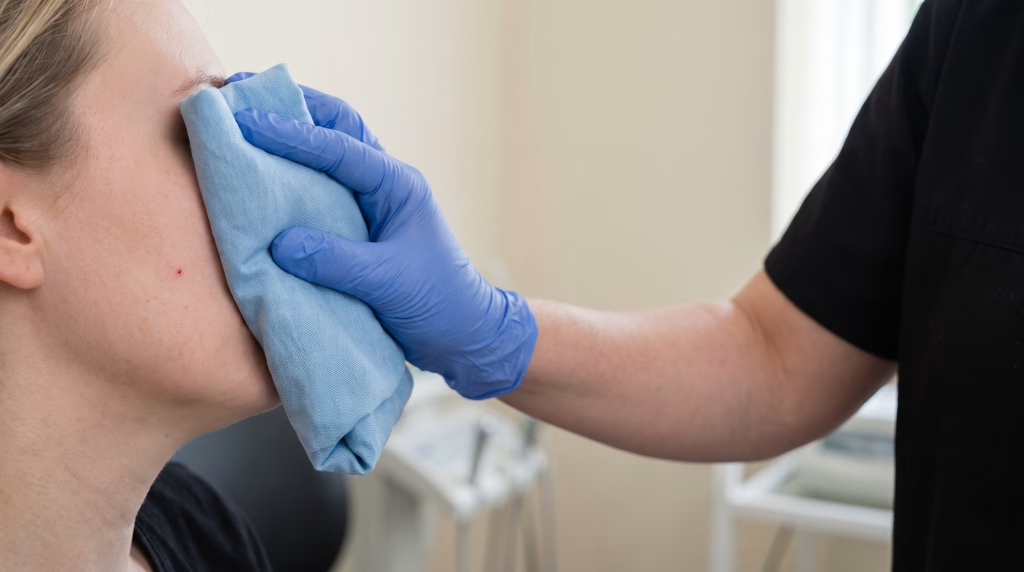
- Use a cool compress: Cool, not ice directly on the skin. Short, gentle contact is enough.
- Let your body settle: A quieter day usually works better than trying to carry on as if nothing happened.
I’m not interested in heroic aftercare. I’m interested in sensible aftercare.
What I want you to avoid
Strenuous exercise and high-intensity activity should be avoided for 24 to 48 hours, and makeup on the treated area should be avoided for at least 24 hours to reduce swelling, bruising and infection risk, as explained in this post-filler care guidance.
That means no hard gym session, no circuits class, no long run because you “feel fine”, and no trying to cover fresh injection marks with foundation the same day.
I also advise avoiding:
- Heat exposure: Saunas, steam rooms, hot yoga, very hot showers over the area.
- Alcohol for the immediate settling window: It can worsen flushing and bruising.
- Pressure on the area: Face-down sleeping, tight goggles, firm facial massage, resting your face heavily on your hand.
You also need to avoid makeup over the treated area for at least 24 hours to help prevent bacteria getting into the fresh needle sites.
The aftercare that works best usually feels underwhelming. Gentle cleansing, patience, less interference.
That’s especially true in lips, where people often keep moving them, checking them, photographing them, then deciding too early that something is wrong.
Skincare and Long-Term Filler Maintenance
A lot of clients come unstuck here. The swelling starts to settle, they feel better, then they want to get back to acids, retinol, face masks, gua sha, or whatever they were using before. That is usually the point where I tell people to stay patient for a bit longer.
Freshly treated skin does best with less input, not more. Keep your routine boring at first. Cleanse gently, moisturise if you need it, and leave the treated area alone.

What to avoid first
I usually advise pausing active skincare on the treated area for about a week. That includes retinol, exfoliating acids, scrubs, peels, and strong vitamin C if it tends to sting you anyway. In the first 24 to 48 hours, I want the routine even simpler because the skin barrier is still settling and the injection points are still fresh.
A simple approach is enough:
- A gentle cleanser
- A basic moisturiser
- No retinol, exfoliating acids or harsh vitamin C on the area
- No new products
If you also have skin booster injections, the same rule applies. Consistency helps healing. Too many products do not.
What helps longer term
Daily SPF matters more than people want it to. Sun exposure breaks down collagen, adds inflammation, and does your filler no favours over time. If you want your results to age well, protect the skin every day, not just on holiday.
Hydration helps too, but I like to be honest about the limits of it. Drinking enough water and keeping the skin barrier comfortable supports the look and feel of the area. It does not magically stretch filler lifespan by months.
The bigger factors are your metabolism, the product used, the area treated, and how much that area moves. Lips tend to need topping up sooner than less mobile areas. That is normal, not a sign that anything has gone wrong.
I also tell clients not to chase longevity by pressing, massaging, or constantly checking the area in the mirror. That urge is understandable, especially if you are anxious about lumps or asymmetry, but repeated poking only makes the area more irritated and more confusing to judge. Let it settle, then assess it properly.
Save your money on “filler extending” products. Good SPF, sensible skincare, and well-timed review appointments are what make the difference.
Important Safety Signs When to Call Me Urgently
This is the part every filler client should read carefully.
Most post-filler swelling, tenderness and bruising are normal. But HA filler carries a rare but serious risk of vascular occlusion, which means blood flow may be compromised. That’s uncommon, but knowing the warning signs is part of safe treatment.
Signs I want you to act on
Contact me urgently if you notice:
- Severe pain or pain that is increasing, especially if it feels disproportionate to what you’d expect
- Blanching, where the skin looks white or unusually pale
- Dusky, blotchy or mottled discolouration
- Any vision changes after tear trough or under-eye filler
Those signs need prompt assessment. Don’t sit on them and “see how it looks in the morning”.
What is normal, and what isn’t
Normal can include swelling, tenderness, small bruises, mild redness and feeling very aware of the area.
Less normal is pain that keeps building, skin colour changes that don’t look like ordinary bruising, or symptoms around the eye that affect sight. That’s when I need to hear from you straight away.
Because this is HA filler, it is reversible with hyaluronidase. That’s a genuine safety advantage and one reason HA fillers are used so widely. But reversal only helps if a problem is recognised and dealt with quickly.
If something feels wrong in a way that seems to be getting worse rather than easing, contact me urgently. If you cannot reach me and you have vision changes or obvious vascular warning signs, seek emergency medical help.
Calm action is the right response. Not panic, and not delay.
I treat every client myself, I’m fully qualified, insured and CPD-accredited, and I’d always rather you message me early than sit worrying alone with a symptom you don’t understand.
Your Questions and Booking a Consultation
If you bruise easily, tell me before treatment. I’ll tailor advice around that properly. Where medically safe, I may discuss reducing things that can thin the blood beforehand, such as alcohol the night before and supplements like fish oil, vitamin E or high-dose omega. Some people find arnica helpful, though I’m honest that evidence is mixed. What I will never tell you to do is stop prescribed medication for a cosmetic treatment. That’s a GP decision.
Lip filler often looks more dramatic in the first couple of days than cheek or chin filler because lips are more vascular and more mobile. That’s why the psychology of aftercare matters as much as the practical steps. If you expect swelling, you’re less likely to panic. If you know pressing fresh filler can shift it, you’re less likely to keep checking it.
Because it’s always me treating you, aftercare isn’t a generic handout. I know your history, your skin, and how you healed last time.
If you’ve got a question, you can call or message me on 07831 846273 or email houseofglamhq@gmail.com. Dermal fillers start from £130, and you can book a £15 consultation if you want proper advice before treatment. I also offer anti-wrinkle injections (commonly known as Botox, the brand name for botulinum toxin), and for first treatment a prescriber consultation is legally required at £25, with the 14-day review included.
If you’re thinking about filler, want honest advice, or need personalized aftercare from the practitioner who will be performing the treatment, take a look at House of Glam HQ. I’m Natasha, based in Southsea, Portsmouth, and I carry out every treatment personally. With verified reviews across Google, Fresha & Facebook, clear advice and a safety-first approach, you can also visit the dermal fillers page to read more or get in touch.

