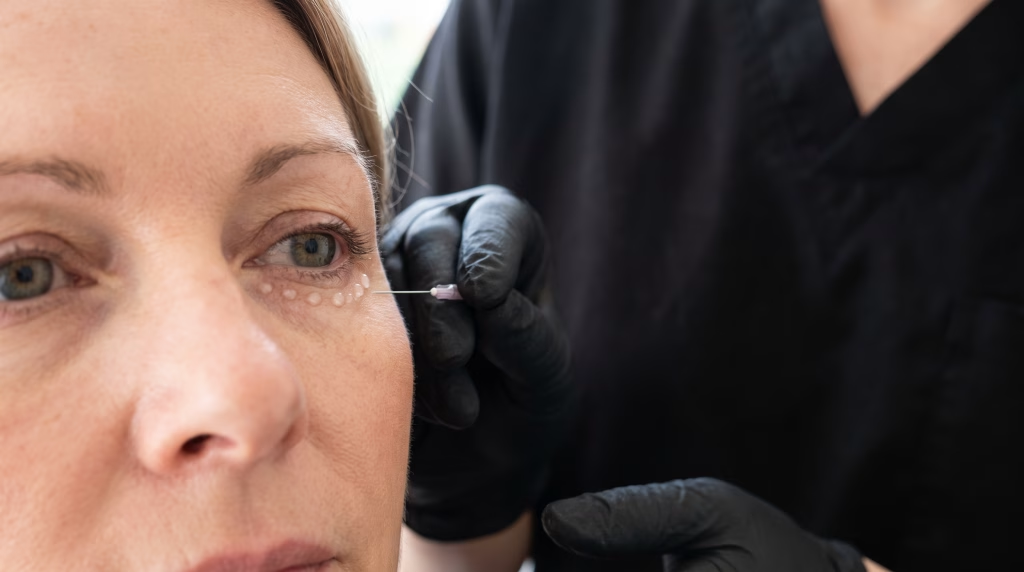
The biggest mistake people make with skin booster injections is treating them like filler with a softer sales pitch. They’re a different treatment altogether. Fillers add shape and structure, anti-wrinkle injections relax movement, and skin boosters focus on the skin itself, improving hydration, firmness, texture, and glow across an area rather than changing facial shape.
That matters if you want subtle results. The wider UK injectables market has grown steadily, and skin boosters sit inside that growth because clients increasingly want maintenance treatments that look natural, not obvious.
What Skin Booster Injections Actually Are
Skin boosters are injectable skin-quality treatments. They’re usually based on hyaluronic acid, and for some protocols, polynucleotides, which is a different approach altogether. The point isn’t to add volume or freeze movement. The point is to improve how the skin behaves, feels, and looks from within.
What they do and what they don’t do
At House of Glam HQ, I explain skin boosters in plain terms because that’s what clients need. If you want a smoother lip border or more cheek structure, that’s filler territory. If you want fewer expression lines from repeated muscle movement, that’s anti-wrinkle treatment territory. If you want skin that looks better overall, with more hydration and a healthier surface quality, that’s where boosters fit.
Practical rule: if the concern is shape, think filler. If the concern is movement, think anti-wrinkle injections. If the concern is skin quality, think boosters.
That distinction matters because the treatment goal changes everything, from product choice to expectations. I also find it helps people understand why a booster can suit the face, neck, or under-eye area without looking “done”. For a clearer look at one of the main products I use, see my page on understanding Profhilo for skin.
Skin boosters are a growing part of the UK injectables sector because people want subtle, natural-looking results rather than visible change in facial projection. That’s the reason they’ve moved from a niche idea into a mainstream treatment category.
How Skin Boosters Work With Your Skin
Most skin boosters use a softer form of hyaluronic acid that spreads through the tissue instead of sitting in one fixed point. That spread matters. It lets the product hydrate the skin and support the skin’s own repair processes rather than creating a lump of volume somewhere under the surface.

Why the results build gradually
The effect is cumulative, not instant. Clinical evidence from a randomised study of 159 participants with early facial sun damage found that intradermal hyaluronic acid–glycerol injections significantly increased skin hydration for up to 16 weeks in multiple-dose recipients, with mild to moderate injection-site reactions reported (clinical review and study summary). The same review notes that hydration benefits can last up to 9 months after the last injection, especially in people with dry skin.
That’s why I describe boosters as a bioremodelling treatment. The skin doesn’t change overnight. It improves over the following weeks as hydration settles and the skin responds to the product.
Where polynucleotides fit
Polynucleotides work differently again. They’re used for regeneration and skin repair, especially in delicate areas where texture and resilience matter as much as hydration. If you want to look at that option in more detail, my guide on how to boost collagen is a useful companion read, although it’s broader than injectables alone.
Choosing the Right Booster For Your Goal
I don’t have one blanket favourite product. I match the booster to the skin in front of me. That’s the honest way to work, because the right choice depends on whether someone wants hydration, firmness, regeneration, or a combination of those things.
Profhilo for overall quality and firmness
Profhilo (£185) is the one I reach for most. It hydrates and also supports collagen and elastin signalling, so it suits skin that’s starting to lose firmness or looks a bit tired across a wider area. It’s especially useful for the neck, where people often want better skin quality without adding shape.
The key thing with Profhilo is spread. It diffuses under the skin rather than sitting in one spot, so the effect is more about overall improvement than targeting a single line. That makes it a strong option for people who want visible skin quality change without obvious intervention.
Seventy Hyal 2000 for glow and hydration
Seventy Hyal 2000 (£165) is the simpler hydration choice. I’d usually think of it for slightly younger skin, or for anyone whose main concern is a fresher, dewier look rather than firmness. It’s a good fit when the skin doesn’t need much structural support, just a better water balance and a healthier surface feel.
Polynucleotides for repair and under-eyes
Polynucleotides (from £135) are the regenerative option, and they’re especially useful for under-eyes and general skin repair. They’re a different category from hyaluronic acid boosters, which is why I treat them as a separate decision rather than a substitute for everything else. You can read more on the product side of that here, on the polynucleotides page.
My honest view: if someone wants “fresh”, Seventy Hyal often makes sense. If they want stronger all-round skin quality, Profhilo is usually the better fit. If the concern is delicate repair, polynucleotides deserve a serious look.

The Treatment Process and What to Expect After
A skin booster appointment is usually straightforward. It starts with consultation, because I need to know what the skin needs. Then comes the treatment itself, which uses a fine needle and a small number of carefully chosen placements depending on the product and the area.
Why downtime is usually light
With products like Profhilo, the product is placed at a few specific points and then spreads under the skin. That means fewer injections overall, and less trauma to the surface. Small raised bumps afterwards are normal. They usually settle within about 24 hours as the product disperses.
That’s one of the reasons people cope well with skin boosters. The skin is being treated superficially, not loaded with large amounts of product in deep planes. The most common reactions are temporary ones, like redness, swelling, tenderness, bruising, or small papules, which UK clinical guidance says usually resolve within 24 to 72 hours (clinical guidance on skin booster technique and side effects).
Why a course matters
Skin boosters are usually done as a course, not a one-off. A common Profhilo protocol is 2 sessions 4 weeks apart, with maintenance every 6 to 9 months, and visible skin quality changes often appear 4 to 8 weeks after treatment begins. That timeline fits what I see in practice, the skin starts to feel better first, then looks better as hydration and tissue response build.
The maintenance part matters too. If someone wants steady skin quality rather than a one-time boost, planning for repeat treatment is part of being realistic about the result.
Realistic Results and Combining Treatments
I don’t quote made-up percentages, and I’m wary of anyone who does. Skin boosters don’t need inflated numbers to be useful. What clients usually notice is skin that feels better to the touch, looks more hydrated, and has a healthier surface glow.
What people usually notice
The change is gradual. That’s a good thing. Fast change can look unnatural when you’re treating skin quality rather than shape. The point is not to chase dramatic before-and-after claims. The point is to get skin that looks more rested and behaves better over time.
For people interested in the wider anti-ageing conversation, I’d rather point them towards honest thinking about maintenance and skin health, like this podcast episode on ageing well with Dr Anthony Youn, than promise a magic fix. Skin boosters are part of maintenance, not a cure.
How I combine treatments
Skin boosters work well with other treatments because they do different jobs. A common pairing is booster plus microneedling, which is the basis of my Signature Skin Booster Facial. Microneedling focuses on surface texture and collagen response, while the booster supports hydration and remodelling from within. You can read more about that approach in my collagen induction therapy page.
They also sit well alongside anti-wrinkle injections for movement lines, and dermal filler for lost volume. That combination makes sense when each treatment is used for its own purpose. I build those plans around the skin, not around selling extra steps. Sometimes a booster alone is the right answer, and I’ll say that plainly.
Common Questions and How to Book a Consultation
Yes, skin booster injections are generally a sensible option for the right person, but only when the injector is properly qualified and the product choice matches the concern. UK-facing guidance says you should always confirm the practitioner’s qualifications, specific training, insurance, the exact product being used, and a direct emergency contact route. Very low prices and vague answers are both red flags.
Do men get skin boosters? Yes. Skin boosters are for anyone who wants better skin quality, not a gendered treatment.
At House of Glam HQ, I perform treatments myself as the sole practitioner. I’ve got 7+ years of clinical experience, I use CE-marked products, and I keep the process clear from the start. For anti-wrinkle injections, a prescriber consultation (£25) is legally required before first treatment, and the 14-day review is included. That’s part of proper practice, not an optional extra.
If you want to know whether Profhilo, Seventy Hyal, or polynucleotides suit your skin, the best next step is a consultation. Book a consultation and we’ll talk through your skin, your goals, and what makes sense for you.
If you’d like to know which skin booster suits you, book in at House of Glam HQ in Southsea and I’ll go through it with you properly.

