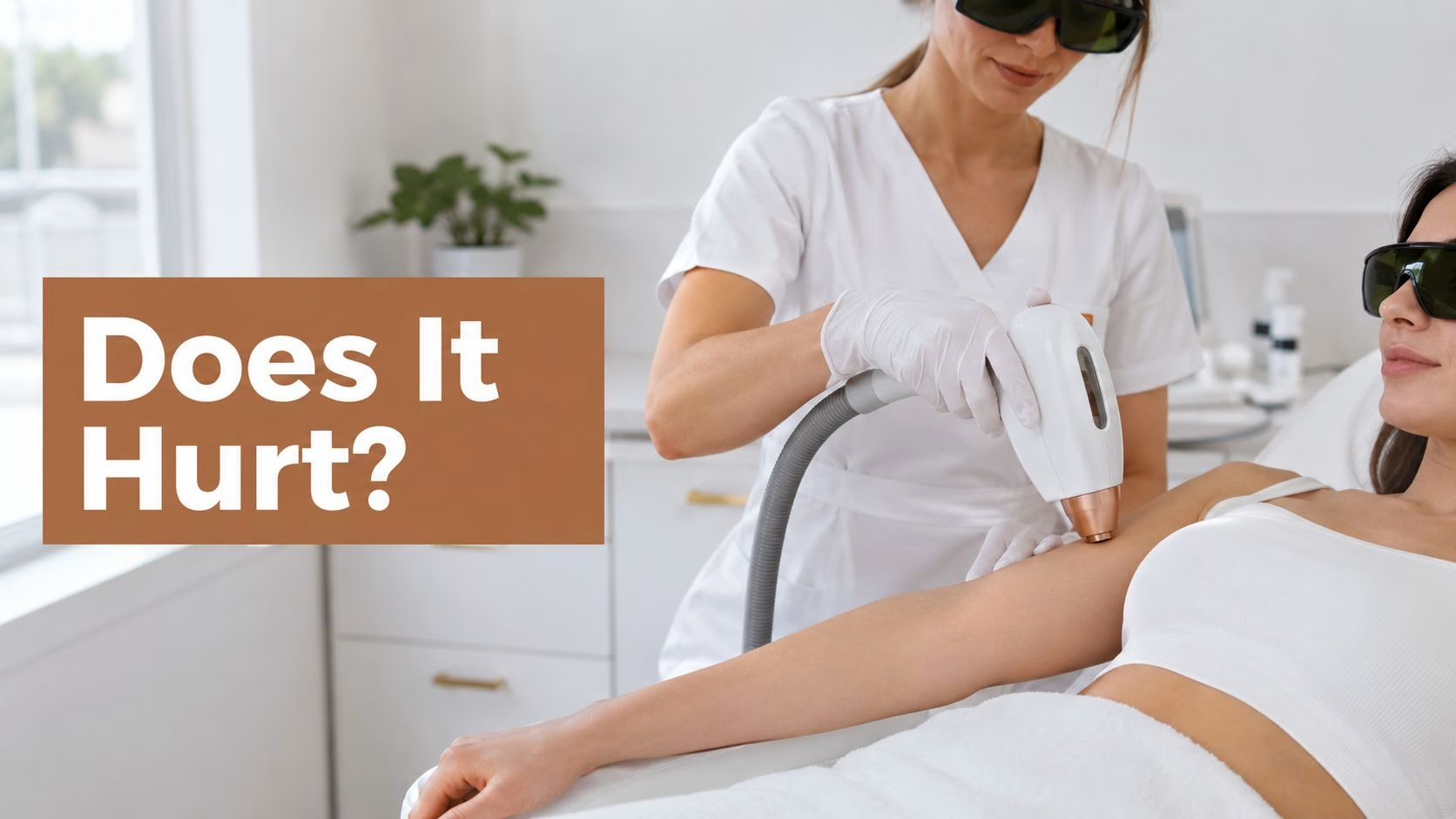
Yes, laser hair removal hurts a bit. Many describe a sharp flick or hot pinprick that fades within seconds, and discomfort often drops as sessions progress.
You’re on the train to Southsea, Portsmouth, with your consultation booked and your thumb hovering over a search result asking the same question: Does laser hair removal hurt? You want an honest answer, not a clinic promising a completely painless appointment or a dramatic warning about unbearable pain.
I’m Natasha, the sole practitioner at House of Glam HQ in Southsea. I’ve been treating clients clinically for more than seven years, and the truthful answer is simple. You’ll feel the laser. It’s brief, manageable and much less frightening than the anticipation.
The Short Honest Answer
Yes, it stings. No, it usually isn’t unbearable.
The sensation is commonly described as a quick hot pinprick, a small elastic-band snap or a warm flick against the skin. Each pulse is very brief, and the sting normally fades quickly rather than sitting there as continuous pain. Cooling immediately after the pulse takes the edge off.
UK NHS guidance sets a similar expectation. Leeds Teaching Hospitals NHS Trust describes laser hair reduction as causing a brief stinging sensation with warmth afterward. North Bristol NHS Trust describes slight stinging or hot pinpricks, while Sandwell and West Birmingham NHS Trust compares the feeling with an elastic band snapping against the skin. Those descriptions reflect routine patient counselling, not sales language.
What most people notice
At House of Glam HQ, I’d describe the usual experience as mild to moderate discomfort. The first few pulses often feel more noticeable because you don’t yet know what to expect. Once the rhythm becomes familiar, you’ll likely settle into it quickly.
The area makes a difference. Lower legs and forearms are generally easier. Underarms, the bikini area and the upper lip tend to feel sharper because the skin is more sensitive and the hair can be denser or coarser. I won’t tell you every area feels the same, because it doesn’t.
NHS advice also supports cooling rather than routine anaesthetic as the normal approach. Cool air, a cooling handpiece or aloe vera can reduce the heat sensation. A local anaesthetic may be considered when treatment is particularly uncomfortable, but it isn’t automatically needed.
Why later sessions often feel easier
Some reporting suggests discomfort can feel easier as sessions progress, although the exact numbers are not always well documented. Qualitatively, laser is often experienced as brief, localised heat, while waxing tends to create a sharper peak of discomfort because multiple hairs are removed at once. The UK-focused clinical summary discusses those pain comparisons.
As active hair becomes less dense, there’s often less pigment for the laser to target. That can mean less heat at the follicle and a lighter sensation over time.
Anyone telling you it’s painless is selling you something. Anyone telling you it’s agony may have experienced poor settings, inadequate cooling or unsuitable equipment.
For a longer explanation of what to expect from diode laser hair removal, look at the treatment information before booking.
What the Laser Pulse Actually Feels Like
Laser hair removal uses concentrated light energy. The pigment in the hair absorbs that energy, which becomes heat. The heat travels towards the follicle, where it damages the structures responsible for future hair growth.
You don’t feel the light itself. You feel the sudden heat created when the hair absorbs the pulse.
A pulse-by-pulse explanation
The handpiece sits against or close to the skin. A pulse fires. You feel a tiny snap or hot prick. Then the cooling system acts on the surface, helping the warmth settle.
That’s why the sensation is different from waxing. Wax pulls hair out mechanically. Laser delivers short bursts of heat to selected follicles. The discomfort is intermittent, rather than one sustained pulling sensation.
Some pulses feel stronger than others. A coarse, dark follicle can absorb more energy than a fine, pale one. A dense patch can produce several sharper sensations close together. Thin skin around the upper lip can make an otherwise small treatment feel surprisingly intense.
Pain perception also involves how the brain interprets a signal, not only what happens in the skin. That helps explain why expectation, anxiety and familiarity can affect the experience.
Cooling changes the appointment
Modern professional devices commonly use cooling to reduce discomfort. Depending on the equipment, that may involve chilled contact, cool air or another integrated cooling method. Cooling doesn’t make the pulse disappear, but it can make the sting shorter and less harsh.
A full underarm treatment usually takes only a few minutes because the area is small and the handpiece can deliver repeated pulses quickly. The appointment still involves preparation, positioning and checking the skin. The actual firing time is short.
Practical rule: Tell me immediately if the sensation changes from a quick sting into lingering heat, intense burning or pain that doesn’t settle.
A patch test gives us useful information before treating a larger area. If you want to skip the patch test risk, don’t. The test is part of safe decision-making, not an unnecessary delay.
Where on the Body It Hurts Most
A client may sail through her lower legs, then tense up as soon as we reach the bikini line. There is no single pain ranking. Hair density, skin sensitivity, skin tone, treatment settings and individual tolerance all change the appointment. I can still give you a practical order based on how each area usually behaves.
Lower legs, forearms and outer cheeks are generally easier. The skin is less delicate, and the hair is often finer than in intimate areas. Shins can feel sharper because the skin sits close to bone. Kneecaps are similarly unpredictable.
The middle range includes the lower back, chin, upper lip and bikini line. The upper lip often surprises clients. It is small, but the skin is thin and the nerve supply is dense. Coarse facial hair can make each pulse feel hotter. A dense lower back can also produce several noticeable pulses close together.
Underarms and intimate areas usually feel stronger. Underarms combine sensitive skin with coarse, dense hair, and the pulses may be close together. The outer bikini line is often manageable, while the centre of the bikini, labia and perianal area can feel considerably more intense. I discuss each part separately, especially where skin tone and sensitivity make the risk conversation more important.
A practical sensitivity ranking
| Body Area | Sensitivity | Why It Feels That Way |
|---|---|---|
| Lower legs | Lower | Usually thicker skin, although the shin can feel sharp over bone |
| Forearms | Lower | Often finer hair and less delicate skin |
| Outer cheeks | Lower to moderate | Small area with facial sensitivity, usually finer hair |
| Lower back | Moderate | Hair density can increase the number of noticeable pulses |
| Chin | Moderate | Coarser facial hair and sensitive skin |
| Upper lip | Moderate to higher | Thin skin and dense nerve supply |
| Bikini line | Higher | Coarse hair and more sensitive skin |
| Underarms | Higher | Dense hair, sensitive skin and close pulses |
| Centre of bikini | Higher | Increased sensitivity in intimate skin |
| Labia and perianal area | Highest sensitivity | Delicate skin and concentrated nerve endings |
| Shins and kneecaps | Variable | Thin skin directly over bone |
A dense patch of hair can feel moderately uncomfortable because terminal hair may be thick and closely spaced. The back of the neck can also catch people off guard, because thin skin or concentrated hair makes individual pulses more pronounced even when the area is small.
The NHS describes laser discomfort as localised and brief, while confirming that some areas feel more uncomfortable than others. For clients considering Portsmouth pubic laser removal, I identify the exact treatment area beforehand. I do not treat the whole region as one sensation, particularly when darker skin tones require more careful setting choices and a closer discussion of heat, irritation and pigment-change risk.
Laser Compared With Other Hair Removal Methods
Shaving is usually the most comfortable option during removal. The drawbacks are quick regrowth, friction, razor bumps and visible shadow for some people.
Waxing creates a sharper peak of discomfort. The strip removes several hairs together, producing a sudden, concentrated sting. Threading feels more precise, but individual pulls can feel sharp around the upper lip. Epilating removes hairs one by one with rotating tweezers, and many clients find it more uncomfortable than laser on the bikini line or underarms.
The scale below is a practical guide, not a clinical measurement. Skin condition, technique, body area and pain tolerance can all change the experience.
| Method | Typical Discomfort | What It Feels Like | Average Time Before Regrowth |
|---|---|---|---|
| Shaving | Low | Little or no pain during removal, possible later friction or irritation | Hours to days |
| Threading | Variable | Sharp individual pulls | Two to four weeks |
| Waxing | Moderate to high | A strong pulling and tearing sensation in short bursts | Up to six weeks |
| Epilating | Moderate to high | Repeated individual plucks from rotating tweezers | Two to four weeks |
| Laser | Mild to moderate | Brief hot pinpricks or elastic snaps | Regrowth reduces over a full course |
The broad practical point still stands: waxing usually creates a sharper pulling sensation, while laser tends to feel like repeated brief pulses of heat.
The practical trade-off
Shaving offers immediate comfort, but it demands frequent upkeep. Waxing can leave a longer gap before regrowth, although the removal itself is more forceful. Laser delivers repeated, brief pulses instead of pulling hairs from the root. As the hair becomes less dense across a course, sessions often feel easier.
Laser is a longer-term hair reduction treatment, not instant removal. It also requires a suitable hair and skin combination, careful settings and realistic expectations about regrowth.
Before booking, compare laser and waxing in detail and weigh the sensation against regrowth and maintenance. Darker skin tones deserve a particularly careful consultation, because comfort must be considered alongside heat, irritation and pigment-change risk.
What Changes How Much a Session Hurts
The same setting should not be used on every client. Skin tone, hair colour, hair thickness, treatment area and recent tanning all affect the sensation and the safety decision. I assess those factors before choosing how to treat.
Dark, coarse hair on lighter skin often absorbs the pulse efficiently, so each shot can feel sharper. That pigment also gives the laser a clearer target, which is why this hair type commonly responds well. Fine or pale hair may feel gentler, yet it can respond less consistently because it contains less pigment.
Darker skin tones require a more careful risk discussion. The laser must target the hair without placing unnecessary heat into surrounding pigment. Wavelength, fluence and pulse width all influence that balance. A peer-reviewed review reported average pain scores of 2.0 out of 4 for diode at 808 to 810 nanometres, 2.3 out of 4 for alexandrite at 755 nanometres, and 3.5 out of 4 for Nd:YAG at 1064 nanometres. The peer-reviewed review on PMC reports those laser-type pain scores.
Those figures do not make one wavelength suitable for everyone. A setting selected for safer treatment on a particular skin tone may feel different from another option. Comfort is only part of the decision. I also consider heat response, irritation and the possibility of pigment changes.

Personal factors matter too
Hair in the active growth phase can react more strongly than a follicle where the hair has already shed. Higher density means more pulses over the same small area. Menstrual-cycle timing, tiredness, anxiety, hydration and caffeine can also affect how intense the appointment feels.
Coffee is not a guaranteed cause of discomfort. Some clients notice a difference, while others do not. Calm, hydrated skin without recent tanning gives us better treatment conditions than irritated or sun-exposed skin.
Discomfort often decreases as treatment progresses, rather than staying identical throughout the course.
For equipment differences, read this Portsmouth laser hair removal guide.
How to Reduce Pain Before and After a Session
Good preparation prevents avoidable heat. Shave the area 12 to 24 hours before the appointment so the laser targets the follicle instead of heating longer hair above the skin. Arrive with clean skin, no fake tan and no active irritation.
Avoid caffeine for two to three hours beforehand if you’re sensitive to it. Skip alcohol the night before, stay hydrated and avoid recent sun exposure. If you’ve been tanning, tell me before treatment. I may need to postpone or change the plan for safety.
Before you arrive
-
Shave carefully: Don’t wax or epilate beforehand, because the follicle needs to remain present for the laser to target it.
-
Protect the skin: Avoid sun and fake tan for at least a week before treatment.
-
Check your skin: Tell me about rashes, infection, medication, photosensitivity or a recent tan.
-
Plan sensitive areas: Ask whether a topical anaesthetic is suitable before applying anything.
A lidocaine or EMLA-type cream may be considered for a bony or sensitive area. Use it only after discussing it with the practitioner and following the product instructions. A patch test is essential before committing to a full treatment.
During the patch test, a few pulses are applied at low energy to a discreet area. The skin is then observed for an immediate excessive reaction before a wider appointment is approved. The exact patch-test process can vary, so follow the clinic’s instructions rather than applying numbing cream without checking.
During and after treatment
Cooling is the first comfort measure I use. A chilled tip, cool air or another integrated system can reduce the heat sensation. If the first pass feels too strong, say so. I can review the settings, add cooling or pause. Staying silent because you think pain is something you must tolerate isn’t helpful.
Afterward, mild redness, warmth and swelling around the follicles can occur. Cool the area with a cold pack wrapped in cloth. Aloe vera or a bland moisturiser may feel soothing. Avoid hot showers, vigorous exercise, saunas and swimming for 24 to 48 hours, and don’t scrub the area while it feels reactive.
Tell your practitioner: A brief sting is expected. Persistent burning, escalating pain or blistering needs immediate attention.
Is Laser Hair Removal Right for You
Laser is usually suitable for someone who wants long-term hair reduction and accepts that it takes a course of treatments rather than one appointment. It isn’t instant removal, and it won’t produce the same outcome for every hair colour or skin type.
Pain is only one part of the decision. The treatment must be safe for your skin tone, suitable for the hair you want treated and realistic for your routine. If you’re looking for a one-off result, laser may disappoint you. Shaving or waxing may make more sense for a short-term need.
I’d also pause treatment if you’ve recently tanned, have an active infection or irritation in the area, take medication that increases photosensitivity, or can’t follow the aftercare. Pregnancy, certain medical conditions and implanted devices need individual medical advice. An online article can’t clear you for treatment.
What a proper assessment should cover
Before treatment, the practitioner should assess:
-
Skin and hair: Tone, colour, thickness and density.
-
Medical details: Medication, photosensitivity, pregnancy and relevant conditions.
-
Treatment history: Waxing, epilating, previous laser or reactions.
-
Safety points: Moles, active skin problems and the correct patch-test process.
-
Comfort planning: Cooling, settings, communication and whether numbing is appropriate.
I prefer clients to know what would make me stop. Mild warmth, temporary redness and follicular swelling can be expected. Marked pain, blistering, burns or significant pigment changes aren’t routine discomfort. Tell the clinic promptly if they occur.
A single-practitioner setting can make communication straightforward because the person assessing you is also the person treating you. At House of Glam HQ, laser hair removal is available for women, with treatment prices ranging from £26 to £290 and 20% off a course of 6. Klarna is available on treatments through three monthly payments. Prices and suitability should still be confirmed during assessment.
Laser may be worthwhile when reduced regrowth, less shaving and safer aftercare fit your priorities. It’s the wrong choice when a clinic is promising zero pain, guaranteed results or a treatment plan without checking your skin first.
House of Glam HQ is at 1A Auckland Road East, Southsea, Portsmouth, PO5 2HA. You can visit House of Glam HQ to review the laser service and decide whether a proper assessment feels right for you.
Frequently Asked Questions
Does laser hair removal hurt?
Yes, it can hurt a little. Patients describe a brief hot pinprick, elastic-band snap or sharp flick, rather than continuous pain. The sensation varies by area, hair density, skin tone, equipment and personal tolerance.
Which area hurts most?
The centre of the bikini, labia, perianal area, underarms and upper lip can feel more sensitive than the legs or forearms. Thin skin, dense nerve endings, coarse hair and the position of bone all affect the sensation.
Does laser hurt more than waxing?
Laser and waxing feel different. Waxing creates a sharper pulling sensation, while laser produces repeated hot pulses. In practice, many people find waxing feels more forceful in the moment, while laser feels brief and repetitive.
Does laser hair removal become less painful?
It often does. Reduced hair density means fewer follicles are producing the stronger heat response, so later sessions may feel easier for some clients.
Can darker skin tones change the pain or safety discussion?
Yes. Darker skin requires careful wavelength and setting selection because the surrounding pigment must be protected. Comfort matters, but so do risks such as burns and pigmentary changes. A proper assessment and patch test should come before treatment.
What should I do if the pain feels wrong?
Tell the practitioner immediately if pain lingers, feels like intense burning or becomes stronger than expected. Treatment can be paused while cooling and settings are reviewed. Blistering, burns, marked pain or pigment changes require prompt contact with the clinic.
Is laser hair removal permanent?
A better description is long-term hair reduction. Laser can reduce regrowth over a course, but it isn’t a guarantee that every hair will disappear permanently. Results depend on hair pigment, growth cycle, skin type and individual response.
Book a consultation
If you are considering laser hair removal in Portsmouth, the right first step is a consultation. Book a standalone consultation on Fresha for a £15 deposit, deducted from your treatment if you go ahead, or book your treatment directly and your consultation happens at the start of the appointment with no separate fee. Natasha currently books two to three weeks in advance, and Klarna finance is available on treatments.
-
Book on Fresha: Book your consultation or treatment
-
WhatsApp: Message Natasha on WhatsApp
-
Call: 07831 846273
-
Email: houseofglamhq@gmail.com
