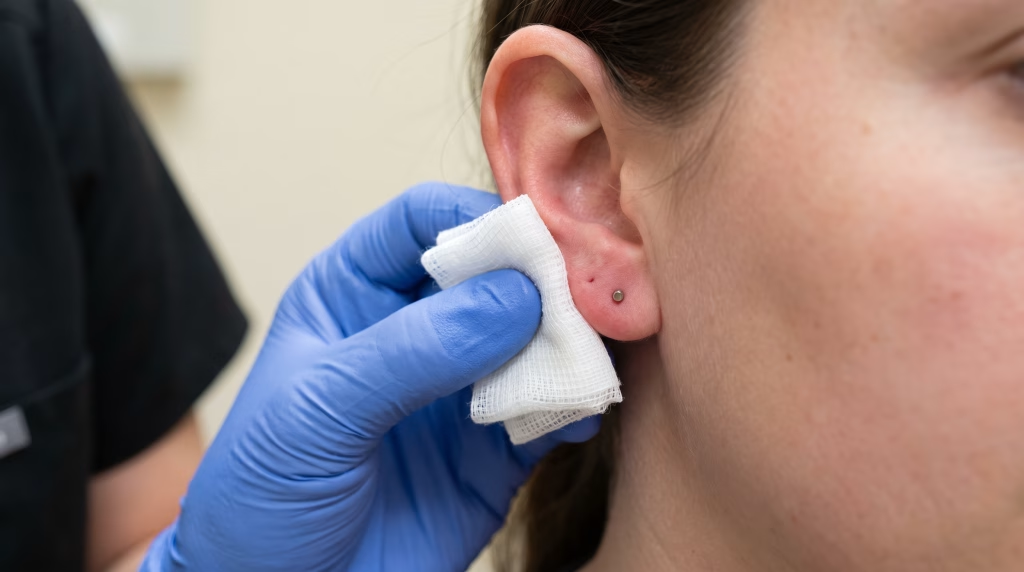
So, you’ve just got a shiny new piercing and you’re wondering what on earth to do next? Don’t worry, it’s not as complicated as it might seem. As a piercer here in Portsmouth, I’ve seen it all, and the most common question I get is about aftercare. Getting it right from the start is super important for a smooth healing process and to avoid any nasty surprises down the line. This guide is all about how to clean a new piercing properly, covering everything from what you’ll need to what to definitely avoid.
Key Takeaways
- Always wash your hands thoroughly before touching your new piercing.
- Clean your piercing twice a day using a sterile saline solution.
- Avoid touching, twisting, or playing with your jewellery.
- Steer clear of swimming pools, hot tubs, and saunas during the initial healing period.
- Don’t change your jewellery until the piercing is fully healed, as advised by your piercer.
Getting started with your new piercing aftercare
So, you’ve just got a new piercing. Now comes the important part: looking after it properly. This isn’t just about keeping it clean; it’s about helping it heal well so you can enjoy it for years to come. Think of it like giving a new plant the right conditions to grow. I’ve seen so many piercings go south because people weren’t sure what to do, or they listened to dodgy advice. Let’s get this right from the start.
What you need for cleaning
Honestly, you don’t need a whole load of fancy stuff. Overcomplicating it is usually where people go wrong. Here’s the bare minimum you should have:
- Sterile Saline Solution: This is your best friend. You can buy this from most pharmacies or piercing studios. It’s basically salt water, but sterile, which is key. Avoid anything with added ingredients like alcohol or witch hazel – they can irritate the healing tissue.
- Non-woven Gauze or Clean Paper Towels: For gently patting the area dry. Don’t use cotton wool or anything fluffy that can leave fibres behind.
- Clean Hands: This is non-negotiable. Wash your hands thoroughly with soap and water before you even think about touching your piercing.
How often should you clean it?
For most new piercings, cleaning twice a day is the sweet spot. Once in the morning and once before bed usually does the trick. Any more than that, and you risk over-cleaning, which can irritate the piercing and slow down healing. Less than that, and you’re not giving it enough attention. It’s a balance, really.
Here’s a rough guide, but remember, your piercer will give you specific advice based on your piercing:
| Piercing Type | Cleaning Frequency (Daily) |
|---|---|
| Ear Lobe | 2 times |
| Cartilage | 2 times |
| Nostril | 2 times |
| Navel | 2 times |
The right way to clean
This is where the magic happens, or where things can go wrong if you’re not careful. It’s pretty straightforward, but pay attention to the details.
- Wash Your Hands: Seriously, I can’t stress this enough. Clean hands are vital.
- Prepare the Saline: If you’re using a spray, great. If you have a bottle, you can either spray it directly onto some gauze or dip a clean piece of gauze into the solution. Don’t use a cotton bud directly on the piercing itself, as the fibres can get caught.
- Clean Gently: Hold the saline-soaked gauze against the piercing for a minute or two. This helps to soften any dried discharge and allows the saline to work its magic. Then, gently wipe away any discharge or crusties. Don’t scrub or pick at it.
- Rinse (Optional but Recommended): If you’ve had a shower, the warm water can help rinse away any remaining saline solution. Just let the water run over it, don’t aim a strong jet directly at it.
- Pat Dry: Use a clean piece of gauze or a paper towel to gently pat the area dry. Again, no rubbing.
That’s it. Simple, right? The key is consistency and gentleness. If you’re ever unsure, it’s always best to book an appointment with your piercer. If you’re thinking about a new one, a single lobe piercing with me starts at £35.
Daily cleaning routine for your new piercing
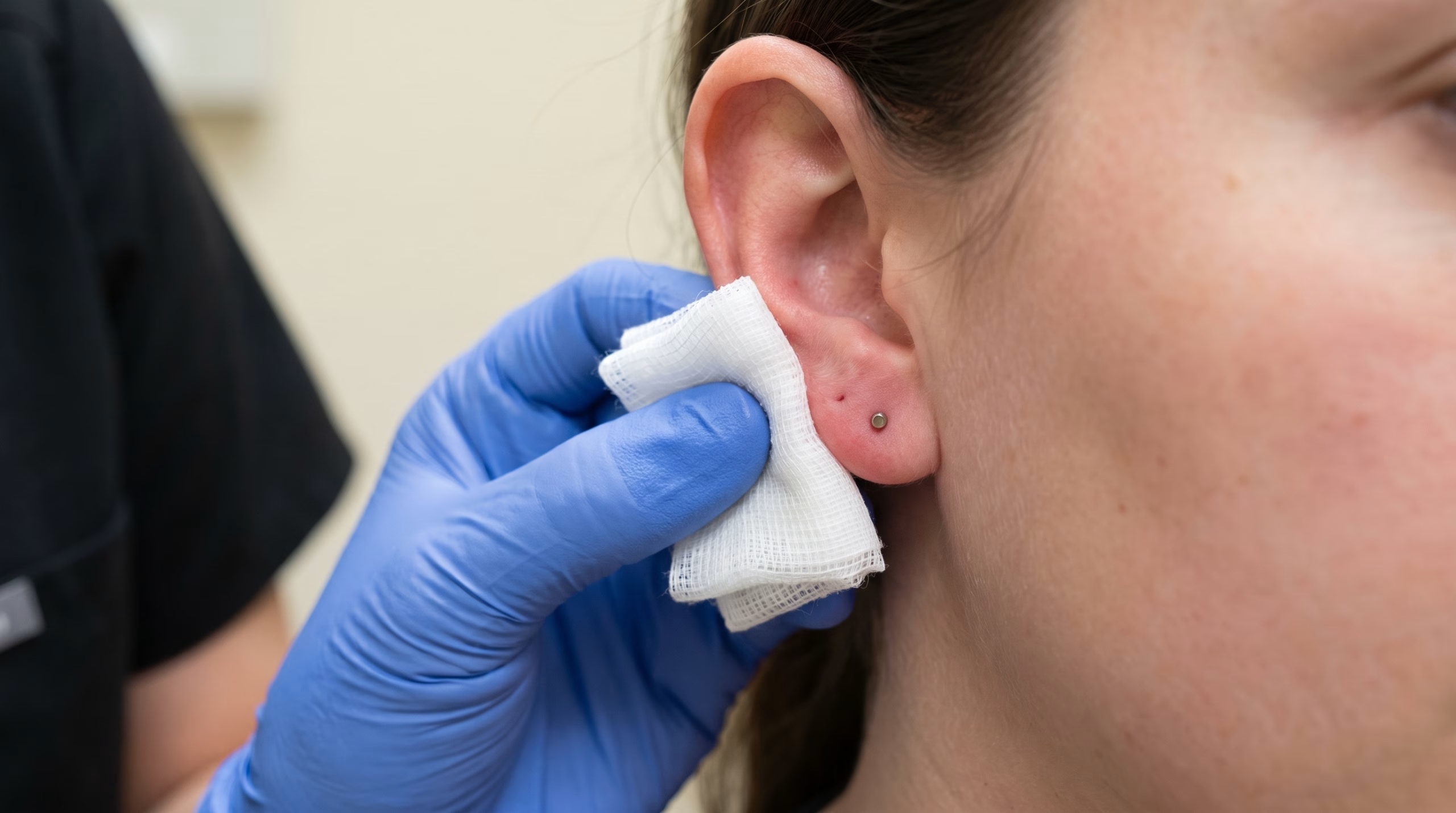
Right then, let’s talk about keeping your fresh piercing clean. It’s not complicated, honestly, but it does need to be done consistently. Think of it like this: you wouldn’t just leave a cut to get grubby, would you? Your piercing is a tiny wound, and it needs a bit of TLC to heal up nicely.
Morning cleanse
First thing in the morning, before you even think about coffee, grab your saline solution. I always recommend a sterile saline spray – it’s just easier and cleaner than faffing about with cotton pads. You want to gently spray it onto the piercing site. Don’t go scrubbing at it; just let the solution do its thing for a minute or two. This helps to loosen any dried discharge or crusties that might have formed overnight. It’s a good idea to have a bit of a routine, so maybe do it while you’re brushing your teeth. It’s just a quick step, really.
Evening cleanse
Do the same thing again in the evening. Consistency is key here. So, before you head to bed, give your piercing another gentle cleanse with the saline spray. Again, no need to rub or scrub. Just let it sit for a moment and then you’re done. This routine helps to keep the area clean and free from anything that could cause irritation or infection. It’s all about maintaining a clean environment for healing. If you’re finding that you’re getting a bit of build-up, you can use a clean paper towel to gently dab away any loosened discharge after the saline has done its work, but be gentle about it. Avoid anything that could snag or irritate the jewellery.
What to do after cleaning
After you’ve done your morning and evening cleanses, the most important thing is to just leave it alone. Seriously. Don’t poke, prod, or twist the jewellery. Let it air dry naturally if possible. If you feel like you need to dry it, use a clean paper towel and just gently pat the area. Don’t use a cloth towel, as they can harbour bacteria and snag on the jewellery. The goal is to keep it clean and undisturbed. This simple routine is your best friend for a smooth healing process. Remember, consistent care helps prevent complications and promotes optimal healing.
Thinking about your next piercing?
I do every piercing myself at House of Glam HQ in Southsea. Lobes from £35, helix, flat, tragus, nose and navel £40, nipple £50 — every price published before you book, and aftercare talked through in the room. By appointment only, no walk-ins.
See every piercing price and book · Ask me first on WhatsApp
Things to avoid during healing
Right, let’s talk about what you absolutely shouldn’t do while your new piercing is settling in. I know it’s tempting to fiddle or try things out, but trust me, resisting these urges is key to a smooth healing process.
Hands off!
This might sound obvious, but I can’t stress it enough: keep your hands away from your piercing. Seriously. Your hands carry all sorts of bacteria, even if you’ve just washed them. Touching your piercing unnecessarily can introduce germs, leading to irritation or even infection. This means no twisting, no turning, and definitely no picking at any crusties that might form. Let the saline solution do its job – it’s designed to help clean the area gently.
No swimming or soaking
For the first few weeks, you’ll need to steer clear of swimming pools, hot tubs, saunas, and even long baths. These environments are breeding grounds for bacteria. Submerging your fresh piercing in anything other than clean, running water or your recommended saline solution is a big no-no. Showers are perfectly fine, and in fact, encouraged for cleaning, but try to avoid letting the direct spray hit the piercing for too long. If you do take a bath, make sure it’s a quick one and rinse the area afterwards.
Resist the urge to change jewellery
I know how exciting it is to think about swapping out your initial jewellery for something fancier, but please, hold your horses. Your piercer will have put in specific jewellery, usually made of titanium or surgical stainless steel, that’s designed for healing. Changing it too early can disrupt the healing tissue, cause irritation, and increase the risk of infection. For an earlobe you’re looking at a minimum of 6 to 9 weeks before you can even think about a change, and cartilage piercings take much, much longer. I’ll tell you when it’s safe to switch things up. For example, ear lobe piercings typically need about 6 to 9 weeks to stabilise before you consider changing the jewellery.
Common concerns and when to seek help
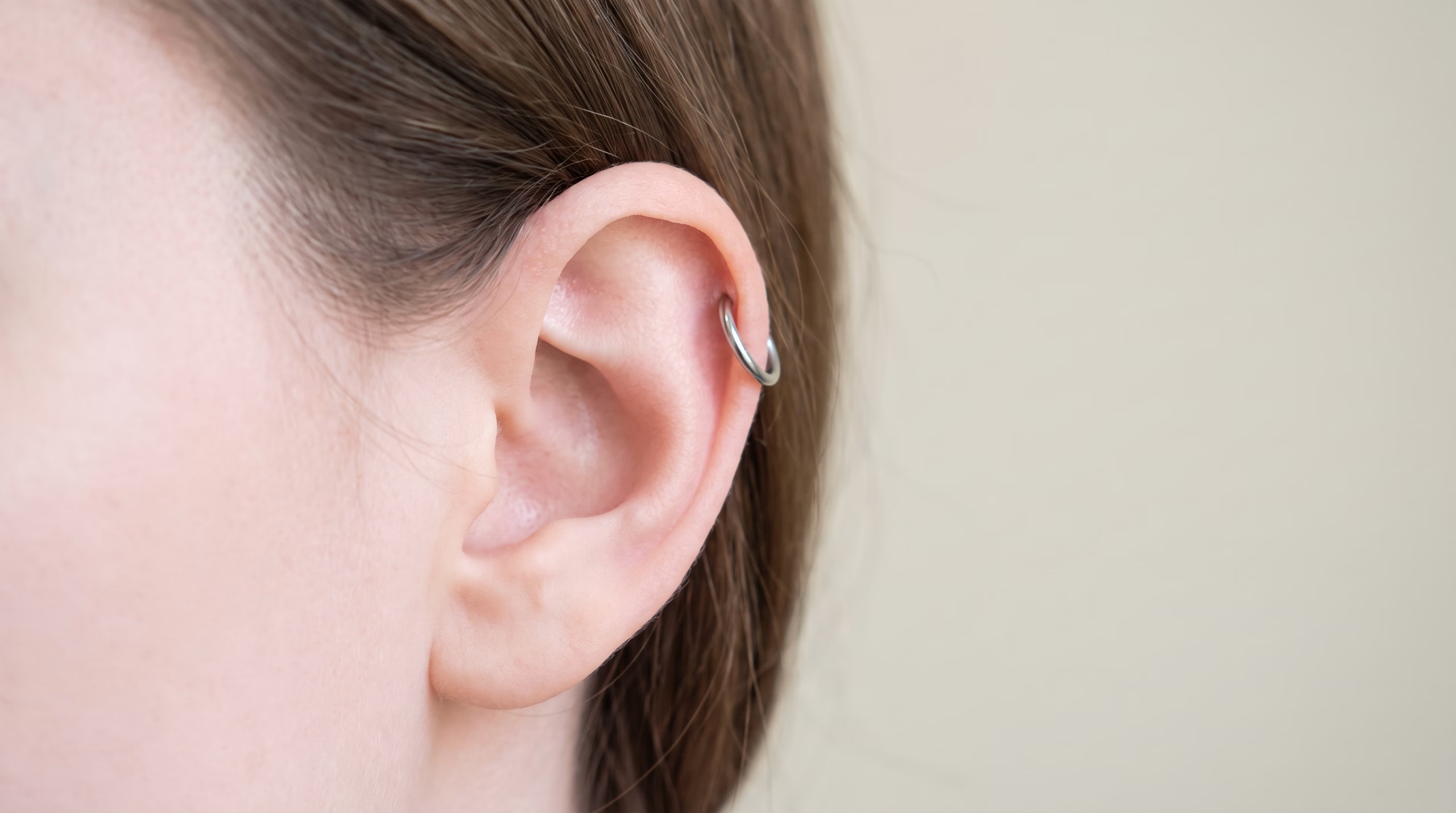
It’s completely normal for a new piercing to have a bit of a wobble now and then. You might see some redness, a bit of swelling, or even some crusties – that’s usually just your body doing its thing to heal. But sometimes, things can go a bit sideways, and it’s good to know what to look out for.
What’s normal and what’s not
Think of your piercing like a tiny, fresh wound. It’s going to be a bit tender, maybe a little sore to the touch, and you’ll likely see some clear or whitish discharge that dries into crusts. This is all part of the healing process. However, if you notice:
- Spreading redness: A little redness right around the piercing is okay, but if it starts to spread outwards like a blush on your skin, that’s a sign something’s up.
- Excessive swelling: Some swelling is expected, especially in the first few days. But if it gets really bad, feels tight, or makes the jewellery sink in, it’s time to pay attention.
- Throbbing pain: While some tenderness is normal, sharp, throbbing pain that doesn’t ease up is a red flag.
- Green or yellow discharge: Clear or whitish discharge is normal. Anything coloured, smelly, or thick and pus-like is definitely not.
Signs of infection
An infection isn’t something to mess about with. It usually means bacteria have gotten into the healing tissue. You’ll often see a combination of the ‘not normal’ signs above, but it can also come with a fever or feeling generally unwell. If you suspect an infection, don’t try to tough it out. It’s best to get it checked out by a medical professional. Ear piercing infections can happen, but they’re usually manageable if caught early.
When to contact your piercer
I always tell my clients to reach out if they’re unsure about anything. It’s better to ask a silly question than to let a small issue become a big one. You should definitely get in touch with me or your piercer if:
- You see any of the ‘not normal’ signs mentioned above.
- The swelling or redness suddenly gets worse.
- You develop a fever or feel generally unwell.
- You’re worried about the jewellery.
- You’re not sure if you’re cleaning it correctly.
Remember, I’m here to help you through the healing process, so don’t hesitate to get in touch if you have any concerns at all. I’m Tash, and I do every piercing at House of Glam HQ myself. There’s no one else here, which means when you ring up worried about a lobe, you’re speaking to the person who pierced it.
Long-term care for a healthy piercing
So, you’ve navigated the initial healing phase and your piercing is starting to feel like a part of you. That’s the point at which most people relax, but don’t pack away the saline just yet. Long-term care is just as important for keeping your piercing happy and healthy for years to come. It’s not about constant cleaning, but more about being mindful and knowing what to look out for.
Understanding healing times
It’s easy to think a piercing is fully healed once it stops hurting or looking red. But that’s often just the surface. Different piercings take vastly different amounts of time to truly heal internally. For example, earlobes are usually settled in six to nine weeks, but cartilage, like a helix or tragus, takes six to nine months and sometimes longer. Nostrils fall somewhere in between, at three to six months. The full set of healing guides, alongside what each piercing costs, is in my guide to ear piercing prices in Portsmouth. It’s a marathon, not a sprint, and patience is key. Trying to rush things, like changing jewellery too soon, can set you back and even lead to complications.
Here’s a rough guide rather than a promise, because everyone heals differently and I would rather check yours before you change the jewellery:
- Earlobe: 6 to 9 weeks
- Ear cartilage (helix, tragus, conch, flat): 6 to 9 months, sometimes longer
- Nostril: 3 to 6 months
- Navel (belly button): 6 to 9 months
- Nipple: 3 to 9 months, sometimes longer
When can I change my jewellery?
This is a big one, and the answer is always: after you’re fully healed. As I mentioned, changing jewellery too early is a common mistake. It can introduce bacteria, irritate the healing tissue, and cause the piercing to close up or develop issues. I always recommend sticking with the initial jewellery that was put in by your piercer for the entire healing period. This jewellery is usually a bit longer to accommodate swelling and is made from implant-grade materials like titanium or surgical stainless steel, which are best for healing. Once you’re healed, come and see me at House of Glam HQ and I’ll fit you with something suitable and safe.
Keeping it clean long-term
Once your piercing is healed, you don’t need to be doing the rigorous cleaning routine you did initially. However, a gentle approach is still best.
- Daily Rinse: When you shower, just let warm water and a mild, fragrance-free soap run over the piercing. Gently rinse it clean afterwards.
- Occasional Saline Soak: If you feel it needs a bit more attention, or if you’ve been somewhere a bit dusty, a quick soak with sterile saline solution can be beneficial. Just don’t overdo it.
- Listen to Your Body: If your piercing starts to feel irritated, look red, or produce unusual discharge, it’s a sign something’s up. Don’t ignore it. It might be a reaction to jewellery, or it could be the start of an infection. It’s always better to get it checked by a piercer rather than guessing. I’m happy to look at it, and I’d rather you came in about something minor than left it. Details of my piercing services are on the site.
Taking care of your new piercing is super important for it to heal well and stay healthy. It’s not just about the first few weeks; proper aftercare is a long-term game. Gentle cleaning and avoiding irritation are the two things that make the most difference over the long run.
So, That’s the Lowdown
Right then, that’s pretty much it from me. Look after your new piercing and follow the advice and you’ll be fine. It’s not complicated, but it does need a bit of care. If you’re unsure about anything, or something doesn’t seem right, get in touch. I’d much rather answer a question than see a piercing go wrong because someone didn’t want to bother me. Seeing one heal up well is the best part of the job.
Frequently Asked Questions
How often should I clean my new piercing?
For the first few weeks, I recommend cleaning your new piercing twice a day. Once in the morning and again before bed. This helps keep the area clean and reduces the risk of infection. It’s a simple step that makes a big difference in how well your piercing heals.
What’s the best way to clean my piercing?
I always advise using a sterile saline solution. You can get this from most pharmacies. Just spray it directly onto the piercing, or use clean non-woven gauze to gently wipe around the area. Avoid cotton wool and cotton buds, as the fibres snag on jewellery. Avoid using harsh soaps or anything with alcohol, as these can irritate your new piercing and slow down healing.
How long will it take for my piercing to heal?
Healing times vary depending on where the piercing is. Earlobes usually take about 6 to 9 weeks. Cartilage piercings, like your helix or tragus, take much longer, usually 6 to 9 months and sometimes more. Nostrils are around 3 to 6 months, navels 6 to 9 months and nipples 3 to 9 months. Be patient and follow the aftercare advice throughout.
What should I do if my piercing looks a bit red or has some discharge?
A little bit of redness or clear/whitish discharge can be normal, especially in the first few days. It’s just your body’s way of healing. However, if it becomes very red, swollen, painful, or the discharge turns yellow or green, it’s best to get in touch with me. These could be signs of infection, and it’s always better to be safe.
Can I change my jewellery soon after getting pierced?
Please resist the urge to change your jewellery too soon. It’s really important to leave the initial jewellery in for the entire healing period. Changing it too early can introduce bacteria, cause irritation, and really set back the healing process. I’ll tell you when it’s safe to change it.
Is it okay to go swimming with a new piercing?
I strongly advise against swimming in pools, hot tubs, lakes, or the sea while your piercing is still healing. These places are full of bacteria that can easily cause an infection. It’s best to wait until your piercing is fully healed before taking a dip. Stick to showers for cleaning.