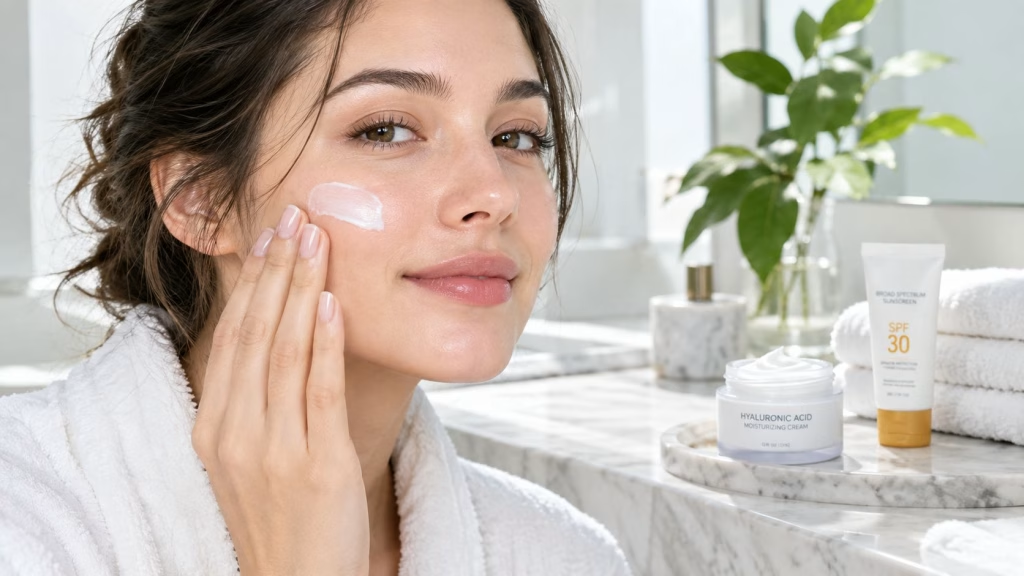
You've just left a dermaplaning appointment in Southsea. Your skin feels exceptionally smooth, looks brighter and seems calm, so the temptation is to carry on as normal. That's usually where people get it wrong.
I'm Natasha, the sole practitioner at House of Glam HQ in Southsea, Portsmouth. I've worked clinically for more than seven years, and I give the same straightforward advice after every dermaplaning treatment: keep the first 48 hours quiet, then give stronger skincare a full seven days before bringing it back.
Why Dermaplaning Aftercare Matters More Than People Expect
From my clinic chair, the common reaction is, “My skin feels lovely. What could possibly go wrong?” Dermaplaning can leave the surface feeling soft and looking fresh, but the treatment has removed the outer dead-cell layer, known as the stratum corneum, along with fine vellus hair. The skin barrier is therefore temporarily more exposed.
That matters because products, perfume, friction and heat can feel stronger than usual. A moisturiser that normally feels comfortable may sting. A warm shower can leave the face flushed. A familiar serum can suddenly cause tightness or redness.
The mistake I see most often in Portsmouth: returning to a normal skincare routine before the skin has finished settling.
The first day is about reducing contact and protecting hydration. The following days are about resisting the urge to add more. UK aftercare guidance supports a simple routine of gentle cleanser, basic moisturiser and mineral sunscreen during the early recovery period, while also advising clients to avoid direct sun, heat, swimming and heavy sweating during the initial window.
The aim isn't to make your routine complicated. It's to prevent a short-lived irritation from turning into several uncomfortable days. If you want treatment-specific advice before booking, my House of Glam HQ facial advice explains how dermaplaning sits alongside other facial options.
The practical framework is simple: protect the barrier for the first 48 hours, then keep strong ingredients out for the rest of the seven-day period.
The First 24 Hours After Dermaplaning
The first day should feel deliberately uneventful. You don't need a complicated aftercare kit, and adding several new products makes it harder to identify what has caused a reaction.
Keep cleansing gentle
Use lukewarm water or a fragrance-free, non-foaming cleanser. Wash with clean hands, use light pressure and pat the face dry with a clean, soft towel. Foaming products and vigorous rubbing can strip or disturb a barrier that has already been freshly resurfaced.
Don't use a scrub, cleansing brush, textured cloth or exfoliating toner. Your skin has already had its treatment.
Moisturise before tightness takes over
Apply a bland moisturiser soon after patting the skin dry. A formula based around ceramides or hyaluronic acid can support comfort without adding unnecessary stimulation. If your skin feels tight later in the day, reapply rather than reaching for a serum packed with active ingredients.
UK guidance treats hydration as a core part of recovery and recommends moisturising the treated area two to three times a day. That doesn't mean layering product after product. One plain moisturiser, used when needed, is usually more sensible.
Protect the surface
Use a broad-spectrum SPF 30 or higher during the day. If you're outdoors in Portsmouth, reapply according to the product directions, particularly if you're walking along the seafront or spending extended time outside. Direct sun can make freshly treated skin feel more uncomfortable and may increase the chance of uneven pigmentation.
Make-up stays off for the first 24 hours, including mineral foundation. Brushes and sponges create friction, while cosmetics can sting on more reactive skin. Sleep on a clean pillowcase, avoid touching your face and skip the gym, sauna and hot shower until the next day.
If you notice mild sensitivity and want to know whether it falls within the usual range, this reassuring dermaplaning side effects guide can help you check the basics.
Days Two and Three, Rebuilding the Routine
At around the 48-hour point, clients often feel ready to return to everything they normally use. Skin can look settled on the surface while still reacting underneath, so restraint matters.
In the morning, use a gentle cleanser, your basic moisturiser and broad-spectrum SPF. If the skin feels comfortable, make-up can usually be reintroduced from around hour 48. Use clean brushes and keep coverage light. Pressed products may create less loose powder movement than heavily buffed or layered formulas.
The evening routine should stay plain. Cleanse gently and moisturise. You don't need several hydrating serums, a mask, a facial oil and a treatment cream all at once. More product doesn't automatically mean more recovery.
Keep these out of the routine
- Retinoids: Leave retinol and prescription retinoids out during the recovery period.
- Acids: Avoid alpha hydroxy acids, including glycolic, lactic and mandelic acid, and beta hydroxy acids such as salicylic acid.
- Other strong treatments: Hold back on strong vitamin C products, benzoyl peroxide and exfoliating toners.
- Physical friction: Don't scrub, use a rough cloth, wax, thread or perform home microneedling.
- Heat and sweat: Avoid hot yoga, steam rooms, saunas, hot showers, swimming pools and heavy exercise.
- Colour products: Wait before applying fake tan or fragranced products directly to the face.
UK aftercare guidance commonly places makeup at 24 to 48 hours, exfoliation at 72 hours and stronger ingredients at around seven days, although your skin's condition still matters. Think of days two and three as a holding pattern, not a punishment. You're maintaining comfort while the surface settles.
The Seven Day Active Ingredients Rule
Strong skincare needs a longer pause than heat and makeup. I advise clients to leave retinoids and other potent exfoliating actives alone for at least seven days after dermaplaning. This includes retinol, tretinoin, glycolic acid, lactic acid, mandelic acid and salicylic acid, because freshly resurfaced skin can sting or become over-exfoliated more easily.
A practical timeline
- Day one: Cleanse gently, moisturise and use SPF. No make-up, exfoliation, heat or heavy sweating.
- Days two and three: Continue the basic routine. If skin feels settled, light make-up may return, but active treatments stay out.
- Days four to six: Don't be fooled by a calm-looking surface. Continue avoiding retinoids, acids, strong vitamin C, benzoyl peroxide and exfoliating tools.
- Day seven: Reintroduce one active product at a time, and only if there's no lingering sensitivity, redness, tightness or flaking.
The common error is restarting a retinoid or acid on day three or four because the face looks fine. Irritation can appear after the product has been used repeatedly, especially when the barrier is still more permeable than normal. Prescription retinoids should also remain paused for the full seven-day minimum unless the prescriber or treating practitioner has given different advice.
Ingredient names can be confusing. If you're considering an exfoliating skin peel, leave enough time between procedures for the skin to settle fully.
Dermaplaning Aftercare Do and Don't Checklist
This is the kind of short checklist I'd want a client to have on their phone after leaving the treatment room.
First 24 hours
- Cleanse lightly: Use lukewarm water or a mild, non-foaming cleanser.
- Moisturise: Apply a basic, fragrance-free moisturiser when the skin feels dry or tight.
- Use SPF: Choose broad-spectrum SPF 30 or higher.
- Keep make-up off: Wait at least 24 hours before applying foundation or concealer.
- Avoid friction: Don't rub, pick, massage or use a textured cloth.
Days two and three
- Return gradually: Use clean tools if you reintroduce light make-up from around 48 hours.
- Keep washing gentle: Continue with the same cleanser rather than changing products.
- Drink normally: Keep up your usual fluid intake, but don't expect extra water alone to repair irritation.
- Avoid heat: Skip saunas, steam rooms, hot showers, swimming and heavy sweating.
- Leave exfoliants out: Don't use scrubs, acids, retinoids or strong treatment serums.
Days four to seven
- Watch your skin: Wait until sensitivity and flaking have settled.
- Reintroduce slowly: Bring back one active product at a time after the seven-day point.
- Protect from sun: Continue daily SPF.
- Delay procedures: Don't add waxing, threading, fake tan or home microneedling while the skin is recovering.

Habits and Products That Quietly Irritate Freshly Dermaplaned Skin
People often blame a strong acid when the trigger was something much more ordinary. Freshly dermaplaned skin can react to perfume in a moisturiser, a fragranced body wash running down the face in the shower, or a hot room that leaves the skin flushed and sweaty.
Fake tan is another easy one to miss. The product may feel harmless on intact skin, but it can contain fragrance and colouring ingredients that become uncomfortable when the barrier is more exposed. Chlorinated swimming pools can also leave the face feeling dry and tight, particularly if you stay in the water for a long session.
Small sources of friction matter
A gua sha tool, roller or facial massage may be part of your normal routine. Put it aside during recovery. The pressure and repeated movement can aggravate sensitivity even when the tool itself is clean.
The same applies to abrasive washcloths, facial cleansing brushes and vigorous towel drying. Pat the skin dry instead. Your face doesn't need polishing after it has already been exfoliated.
Quiet irritation often comes from repetition: over-cleansing twice, adding several new products and then rubbing the face to remove them can cause more trouble than one carefully chosen moisturiser.
Over-layering is another common mistake. A hydrating serum, sleeping mask, facial oil and rich cream may sound comforting, but multiple formulas increase the number of ingredients touching reactive skin. Keep the routine easy to understand, especially if you're prone to redness or breakouts.
If you're choosing a cleanser for blemish-prone skin, check the guidance on what to avoid in acne face wash. After dermaplaning, “for acne” doesn't automatically mean “suitable immediately”. Strong foaming or active formulas may need to wait.
Signs of Irritation and When to Message the Clinic
A little pinkness immediately after treatment can be normal. So can light tightness, mild sensitivity when touched and minor flaking around days three to five. These reactions should gradually settle within the first week, rather than becoming more intense.
What I don't want clients to ignore is a pattern that is worsening or spreading. Message the clinic if redness lasts beyond 72 hours, if an area feels hot or painful, or if you notice raised bumps, weeping, crusting or yellow crusting. Increasing itch, pus, spreading warmth or unusual clusters of breakouts also need attention.
What to send when you contact the clinic
A clear photograph in natural light is useful. Tell me when the reaction started, what products you applied, whether the area feels hot or painful and whether the symptoms are improving or worsening. A quick message by text or email is often enough for a practitioner to advise whether you should continue with basic aftercare or seek medical assessment.
Dermaplaning rarely causes complications when performed appropriately, but any treatment that temporarily disturbs the barrier can provoke irritation. Clients with reactive skin may also experience a histamine response or a breakout after introducing something their skin normally tolerates.
Don't try to correct the problem with more exfoliation, a strong spot treatment or a home device. That can make the skin harder to assess and more uncomfortable.
If your barrier needs extra support after the initial period, we can discuss whether a calming, hydrating facial is sensible. At House of Glam HQ, I'll assess how the skin looks and feels rather than pushing another treatment onto an unsettled face. If dermaplaning isn't right for you at that point, I'll say so.
I offer dermaplaning at House of Glam HQ in Southsea, Portsmouth, with Dermaplaning Express at £45 and Dermaplaning Deluxe at £65, both on the facials in Portsmouth menu. Visit House of Glam HQ to choose your service, or message Natasha first if you're unsure whether dermaplaning suits your skin. Klarna is available on treatments over three monthly payments.
Dermaplaning Aftercare FAQs
Can I wear make-up after dermaplaning?
Wait at least 24 hours. UK aftercare guidance also allows some clients to return to make-up around 48 hours once the skin has settled, but keep the application light and use clean brushes.
When can I use retinol after dermaplaning?
Wait a full seven days before restarting retinol or prescription retinoids. If the skin is still red, tight, flaky or sensitive at that point, wait longer and contact the clinic for advice.
Can I exercise after dermaplaning?
Avoid heavy sweating, hot yoga, saunas and steam rooms during the early recovery period. UK aftercare guidance commonly advises avoiding these activities for 48 hours, with some protocols extending heat and swimming precautions through 72 hours.
Should I use SPF after dermaplaning?
Yes. Use broad-spectrum SPF 30 or higher during the day, particularly when you're outside. Keep the product comfortable and avoid rubbing it into sensitive skin.
Is flaking normal after dermaplaning?
Minor flaking around days three to five can occur. Don't pick or scrub it away. If flaking is accompanied by increasing redness, heat, pain, weeping or yellow crusting, contact the clinic.
What should I do if a product suddenly stings?
Stop that product and return to gentle cleansing, basic moisturiser and SPF. Message the clinic if the reaction continues, worsens or occurs with swelling, heat, pain, spreading warmth or unusual breakouts.
Book Dermaplaning in Portsmouth
Dermaplaning Express at House of Glam HQ is £45, and Dermaplaning Deluxe is £65. Book Dermaplaning Express or Dermaplaning Deluxe straight onto Fresha and the price you see is the price you pay, or message Natasha on WhatsApp first if you want to ask whether it suits you. Klarna is available on treatments over three monthly payments.
- Call: 07831 846273
- Email: houseofglamhq@gmail.com
- Clinic: House of Glam HQ, 1A Auckland Road East, Southsea, Portsmouth PO5 2HA
- Opening hours: Tuesday 10 to 5, Wednesday 12 to 7, Thursday to Saturday 10 to 4, closed Sunday and Monday
- See every price: House of Glam HQ treatment menu

